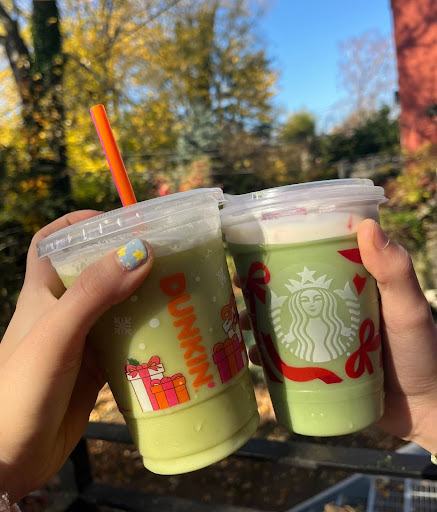








A couple years ago, you’d see people walking down the street in their chic trench coats and sunglasses, iced espresso in hand; coffee was all the rage. Then, seemingly out of the blue, you’d see these same cups filled with a mysterious, grassy green liquid.
Some people have tasted or at least heard of matcha before it became widely known. Though it was more commonly known as green tea, it’s been a bubble tea flavor for the past few years, and it’s had its own ice cream flavor for years prior. Still, its existence was negligible outside of Japan. So how did such a niche flavor become a worldwide cultural powerhouse?
Health benefits:
First off, matcha is renowned for having multiple health benefits. A cup of matcha contains less caffeine than coffee, and offers a steady energy boost throughout the day, preventing those typical jitters you’d get from a cup of coffee. Matcha has also proven to lower cholesterol/blood pressure, while boosting your metabolism. It’s seen as a healthier alternative to coffee, and therefore attracts mindful eaters and fitness enthusiasts alike.
The art of the process:
Matcha is far more than a caffeinated beverage–it is an art. The traditional matcha-making process consists of a bamboo scoop called a chashaku, a ceramic mixing bowl called a chawan, and a bamboo whisk called a chasen. The rigorous yet therapeutic process of whisking matcha with a chasen results in a layer of creamy, smooth microfoam on top of your drink. For efficiency and accessibility purposes, many stick to an electronic milk frother. Though this yields similar results, preparing matcha the traditional way results in a slightly smoother sip, and a far more immersive experience.
The aesthetics
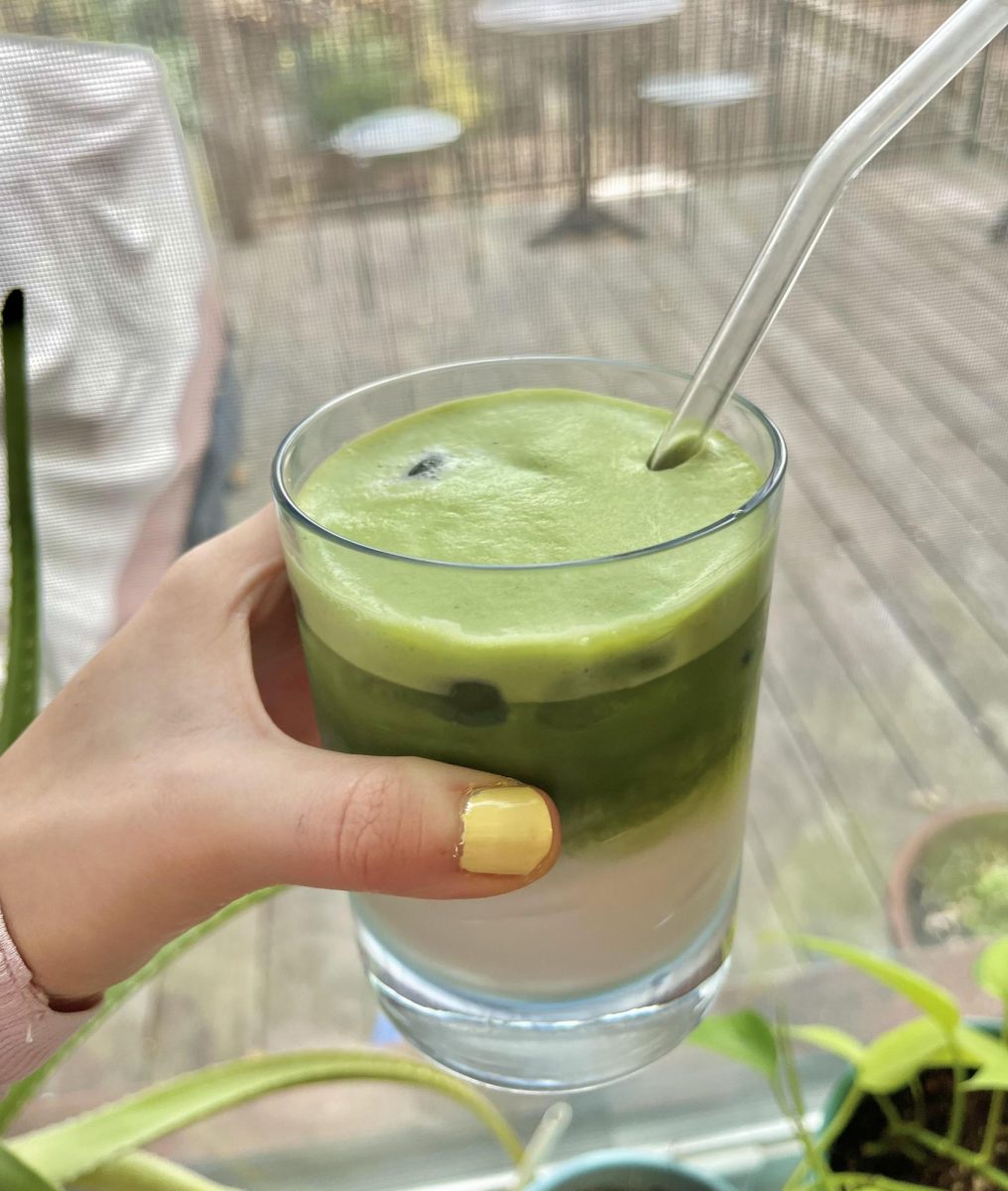
Lots of people enjoy matcha simply because it’s aesthetically pleasing. High quality matcha is a beautifully vibrant grass green, and looks great on “The ‘Gram.” Like coffee, you can customize your lattes according to personal preferences. Cafes have popularized seasonal matcha lattes, which are made using flavored syrups, purees, cold foams, and jams. Due to popularity, cafes can get away with outrageous prices for flavored drinks–it’s astonishing how much people are willing to pay for a pumpkin spice matcha latte in October.
“It tastes like grass”
For every person who loves matcha, there are probably several people who absolutely despise its complex flavor profile. It’s admittedly somewhat of an acquired taste, especially without any sweetener. Matcha is often bitter, vegetal, and astringent. Higher quality matchas tend to have less of an astringent aftertaste, but still have unusual flavor profiles such as floral and umami notes. It’s one of those flavors that you either love or absolutely hate.
Houjicha
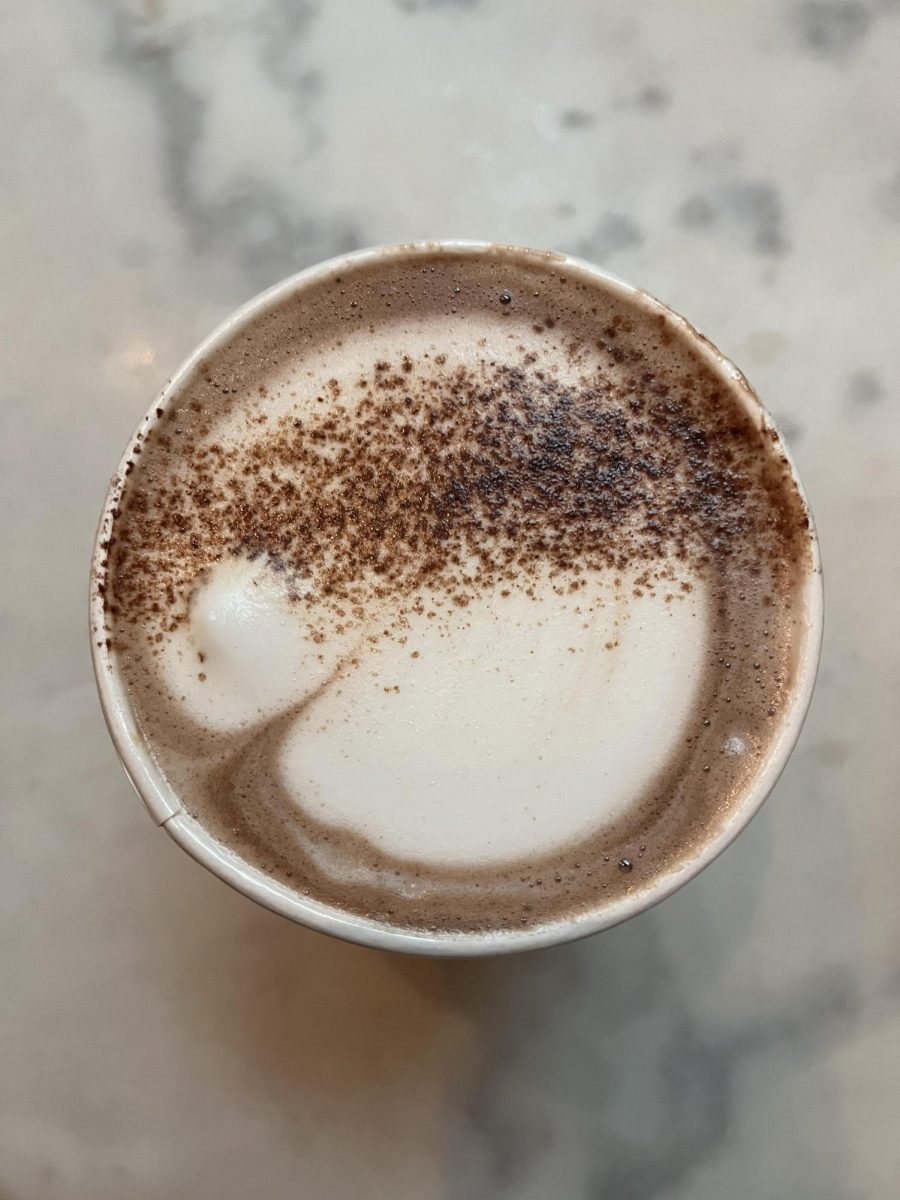
Matcha lovers also enjoy matcha’s chocolatier, toastier little cousin, Houjicha. Houjicha is simply roasted matcha leaves/stems, but it possesses an entirely different flavor profile. It’s similar to matcha in that it’s earthy and umami, yet smooth and slightly sweet. Matcha powder is a vibrant green, while houjicha is a chestnut brown. It’s prepared exactly like matcha, but has a lower caffeine content, making it the perfect evening treat. It also makes for the perfect cozy season drink, due to its prominent nuttiness and roasty flavor.
Matcha farms throughout Japan are already plagued by shortages due to high demand; matcha will likely only rise in popularity, resulting in significant price inflation. Though it can be pricey, to those who enjoy it, preparing matcha is a worthwhile hobby. It’s immersive, calming, and uniquely delicious.