


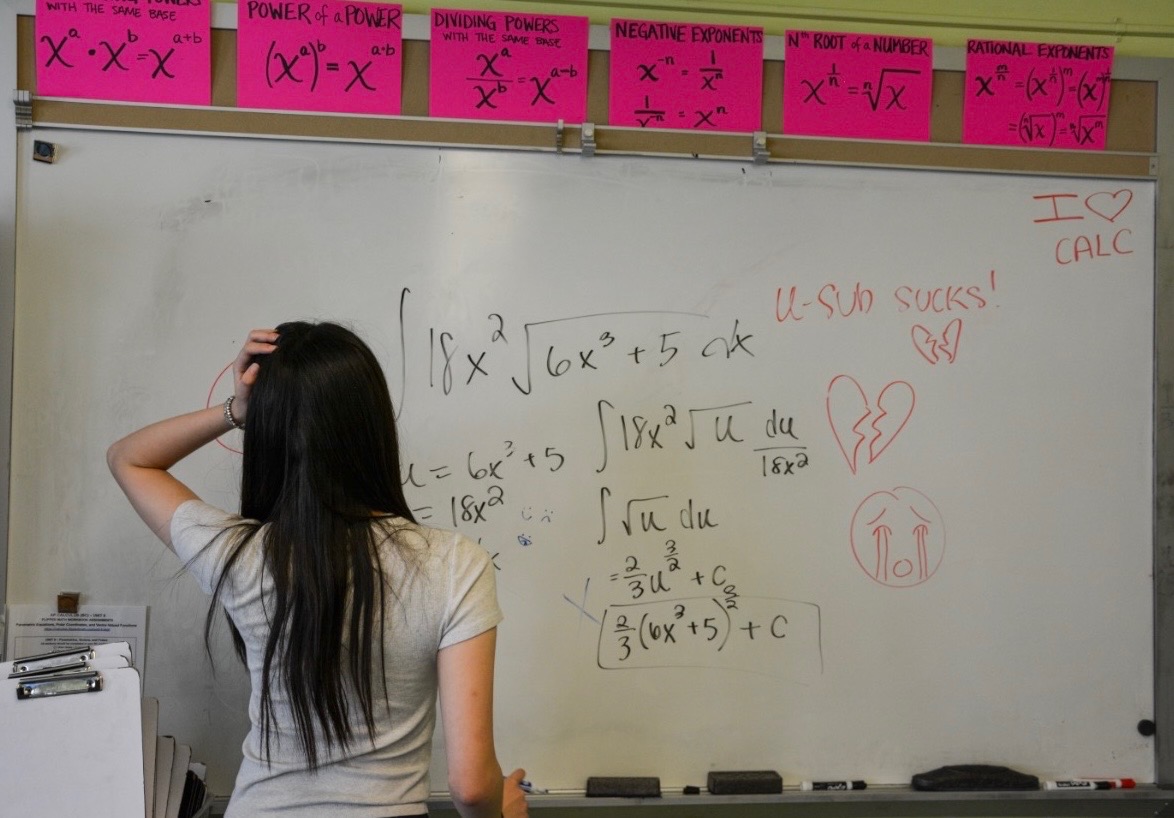






Walking through the halls, the first thing you’ll hear is: “I need to get my grade up.” “I’m going to fail my test next period.” “I have so much work to do today.” For many students, junior year is arguably the hardest year of high school; it’s also when burnout hits the hardest. Balancing standardized testing, AP classes, extracurriculars, and the looming college admissions process while maintaining a healthy sleep schedule is incredibly demanding.
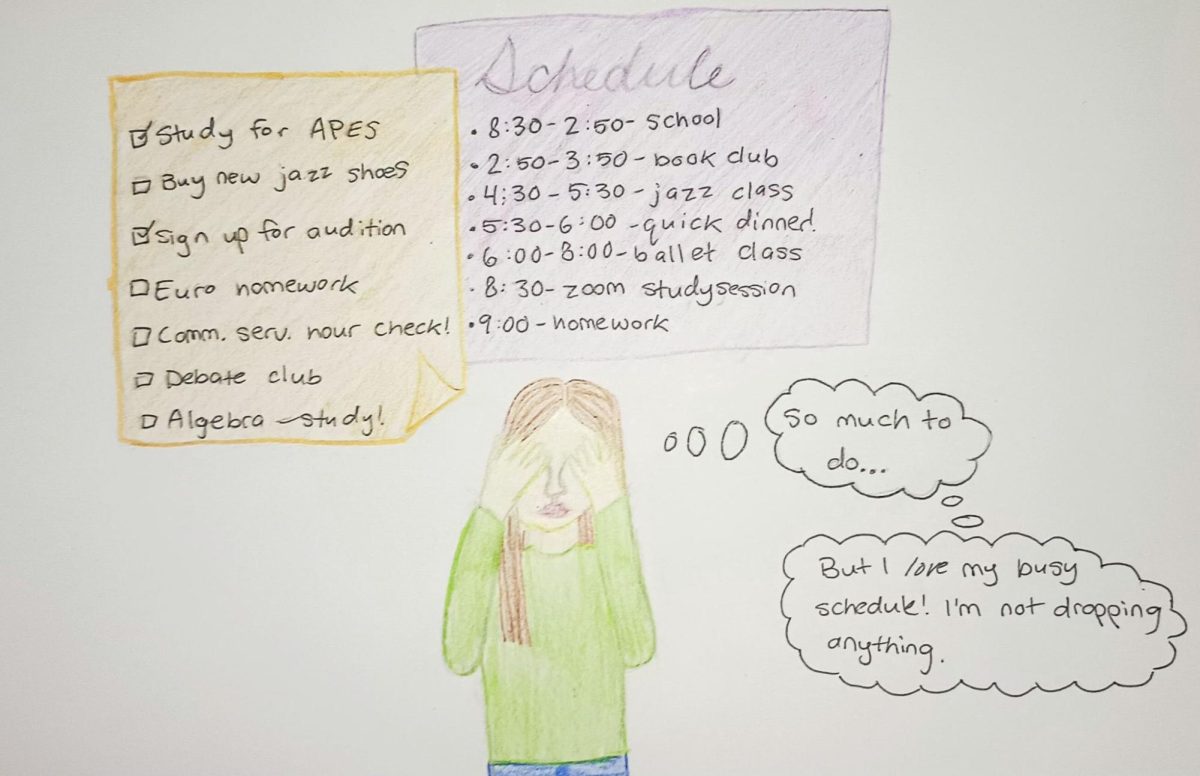
As college admissions become increasingly selective, the expectations placed on students have intensified significantly. Being “competitive” no longer just means having high grades, but having a carefully curated, “well-rounded” resume: leadership positions, sports, internships, and volunteer work. Junior Mei Shibata explained, “Junior year is by far the hardest here in terms of workload, but I think it’s also because of the number of AP classes.“ This highlights how course rigor can play a major role in contributing to pressure and stress during this year.
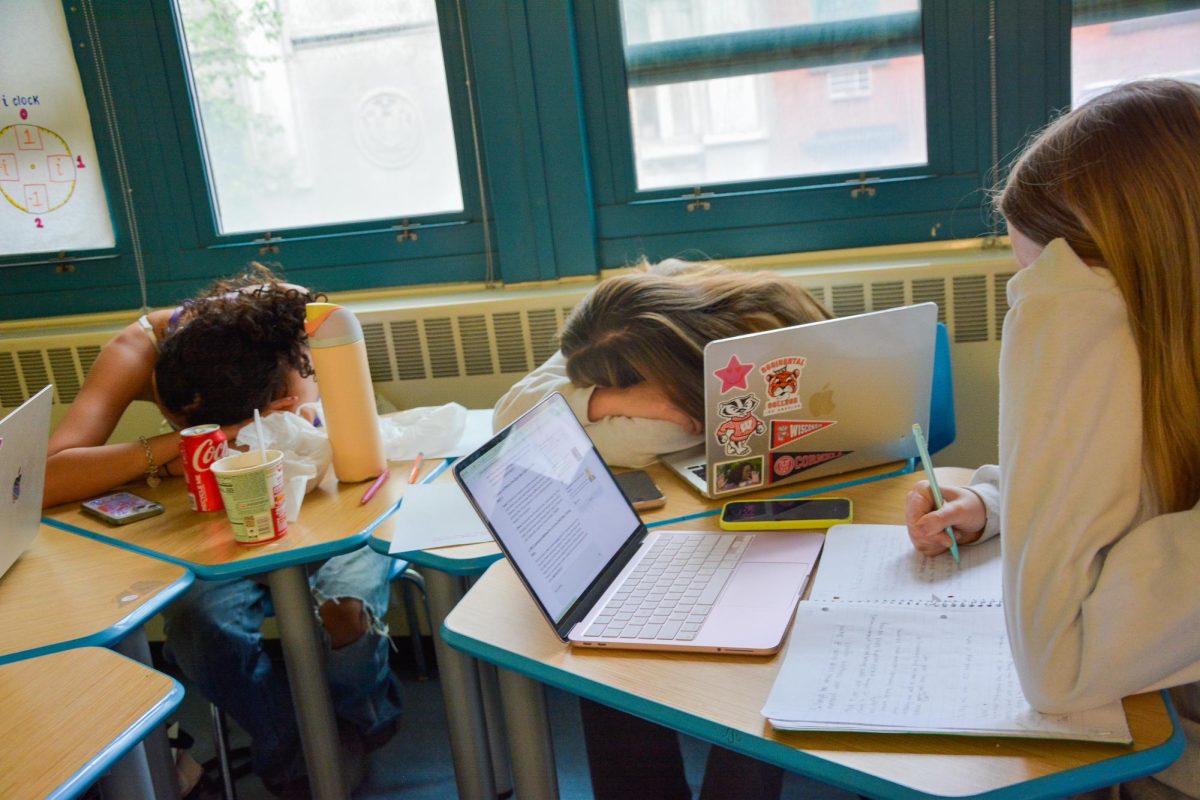
One of the most significant impacts of burnout is lack of sleep. Late nights spent studying and preparing for exams become normalized, with many students sacrificing sleep in order to keep up. Most students with a heavy workload often average about 4-7 hours of sleep, far below the 8-10 hours recommended by organizations like the Centers for Disease Control and Prevention. Junior Esha Neupane described, “I sleep 7-8 hours on days when there’s about 3 classes that have assigned homework, but on days when I have to finish my research paper, I get only 4-5 hours of sleep.” Over time, this lack of sleep accumulates, leading to impaired focus and relying on caffeine to survive the day.
At the same time, the growing culture of productivity reinforces the idea that students should always be doing something “valuable” for their future. While being productive can be beneficial, the pressure to be constantly productive becomes counterproductive over time. Combined with less sleep and mental toll, persistent work can often lead to worse performance and lower motivation.
Simultaneously, maintaining a social life becomes daunting. With packed schedules and constant deadlines, spending time with friends and family is often cast aside. Plans are canceled, and free time seems to disappear out of thin air. This shift makes students feel isolated, even when surrounded by classmates going through the same experience. Without meaningful breaks or social contact, the pressure of academics and extracurriculars only intensifies feelings of burnout.
The reason high schoolers often feel “30 years old” isn’t solely because of workload, but because of the responsibilities attached. Teenage years are often considered the best years of your life and a time meant for self-exploration and growth. However, with the number of commitments students are expected to manage, their ability to fully experience this stage of life becomes restricted, often confined to school-related responsibilities.
While junior year may always be demanding, the level of burnout students experience doesn’t have to be inevitable. By encouraging more balanced course loads, prioritizing sleep, and recognizing that productivity does not equal self-worth are meaningful steps to a healthier lifestyle. Ultimately, success shouldn’t come at the expense of a student’s well-being. If students are leaving school exhausted, are we preparing them for the future–or burning them out before they even get there?