














The Capitalist system has bred a race of productivity-driven Americans who are drunk on the allure of wealth. Americans work endlessly because we were raised to; the idea that the more one works, the more successful they’ll be is not one that is easily erased from the mind.
According to a 2014 Gallup poll, 61% of Americans cannot stop working even when on vacation. This idea derives itself from the Bible, which states, “Seest thou a man diligent in his business? He shall stand before kings” (Proverbs 22:29). Where better to explore this phenomenon than in America’s own over-ambitous, decked-out-in-pearls, workaholic of a child, New York City?
New Yorkers have a well-deserved reputation of always being on the rush to somewhere; they walk fast, don’t stop to say hello, and have one goal: to get to work, or an interview, or a Broadway show, or anywhere else in that jam-packed city.
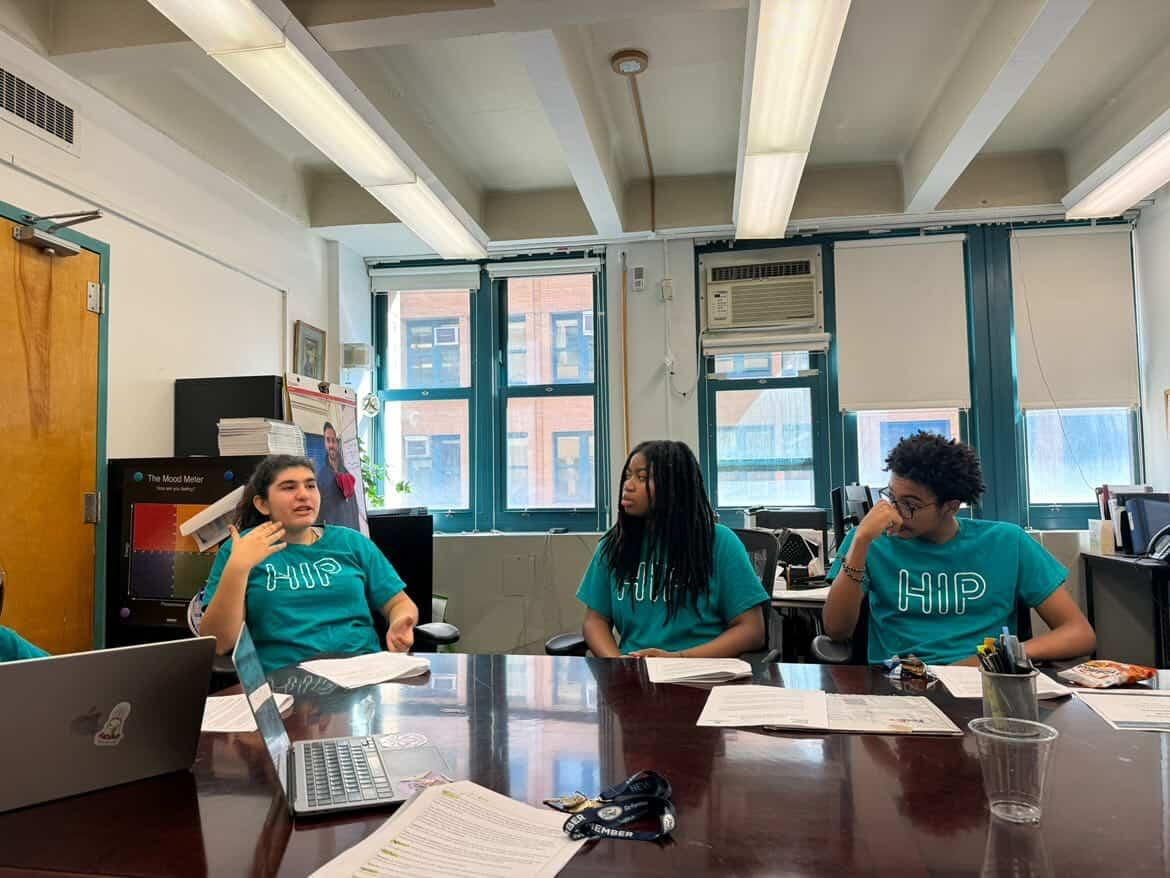
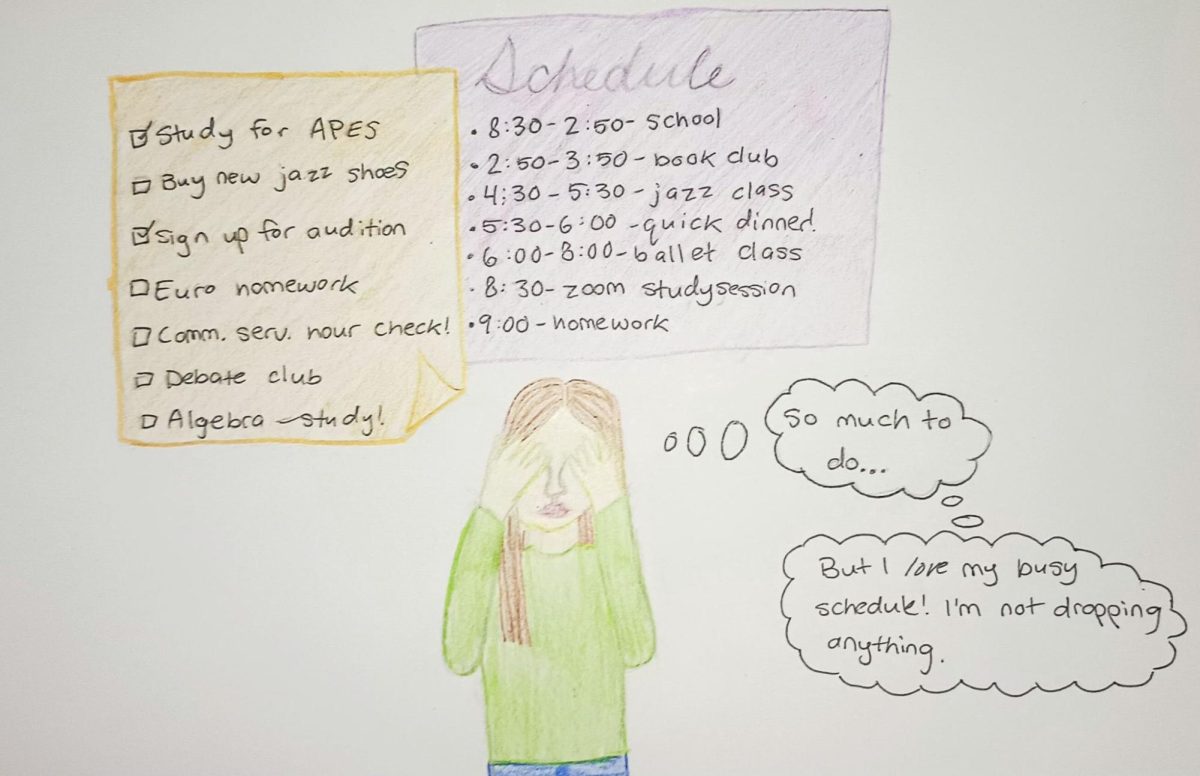
Their busy schedules are the epitome of the Capitalist mindset. They always have to be doing something, and this lifestyle starts when New Yorkers are very young; many kids in New York have clubs, extracurriculars, or sports teams almost every day of the week after school (and many on weekends, as well). Although the busy nature of the New York City lifestyle prepares NYC youth for adulthood, it should be discouraged because it is an unhealthy state of being.
New York kids are, from a young age, very busy. Many children have weekly activities that their parents sign them up for even before they start school. For example, before starting first grade, I took piano lessons, swimming classes, and gymnastics. Once I started first grade, I started dance classes after school and never stopped; the amount of dance classes per week steadily increased, to the point that I was taking classes six days a week by my teenage years.
Speaking with other New York City youth about this issue, I gathered that my experience was (and is) not unique. Busy schedules are common for kids in NYC. However, the kids are not miserable. On the contrary, we enjoy it. We’re so used to always having something to do, that by the time we’re adolescents, we don’t know how to live any other way.
This busy lifestyle may be considered by some to be beneficial, for it prepares kids for adulthood. America’s capitalist system is designed in such a way that it rewards people who are constantly working to make money. The manifestation of this can be seen in adult Americans’ vacation habits.
An Oxford Economics study found that Americans waste $52.4 billion annually in earned vacation benefits. While it is a decision made by the individual, it is encouraged by the company; Dr. David Ballard, director of the American Psychological Association’s Center of Organizational Excellence, says that, “A lot of employees say their company’s culture actually frowns on taking time off.” For this reason, it may be that being conditioned to be constantly active from a young age may make it less difficult to adjust to the burdens of adulthood. This perspective makes a compelling case for the current average lifestyle of NYC children. However, it is a perspective steeped in the rich tea of the Capitalist mindset.
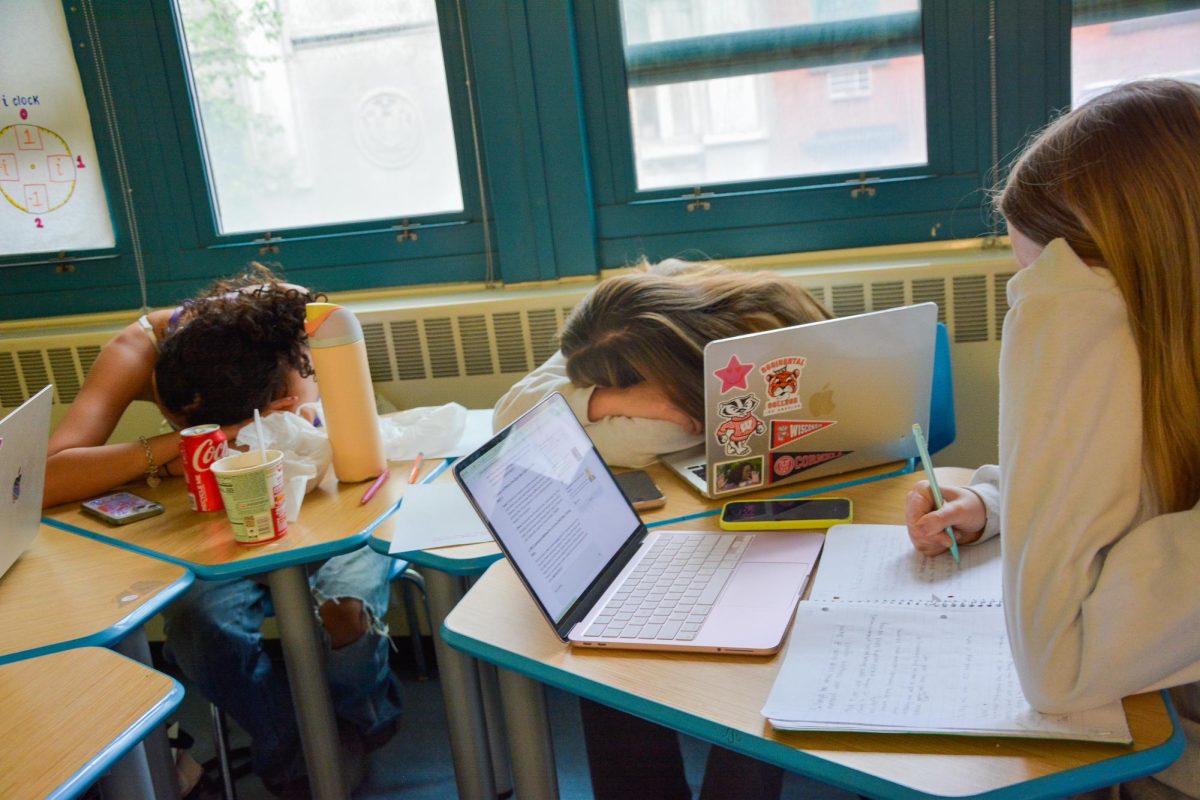
Just because the Capitalist gears would run faster than ever if children were trained with a strong work ethic, it doesn’t mean that they should be. NYC youth are often uncomfortable when faced with a day devoid of planned activities. This happens with high schoolers also. Even though they might look forward to a week off of the stress of school, such as min-winter break or spring break, once they are actually in their week of “peace,” they are dreadfully bored and don’t know what to do with themselves. In these situations, while the more productive thing might be to rest and relax, this is not what their brain perceives as productive, so instead they try to fill their days with what it does.
NYC youths’ schedules might seem to them the “correct” way to live life, and although our country favors adults who live their lives in this way, it is not necessary for children to follow suit. It’s important that children know how to be bored, because boredom fosters thinking and creativity.
Once these kids grow up, America will be full of adults who never got a real childhood; all they will know how to do is jam-pack their schedules, but they will not have the tools they need to have a balanced life. In an The American Scholar article, Paula Marantz Cohen (2012) writes about the importance of having the right values in life. She finds that many of her (college) students plan to lead a life of hard, possibly boring work, because they think that this will allow them to get rich enough to have a good retirement. She notes that they have “deleted leisure from their experience,” and argues that knowing how to incorporate leisure into one’s life is the key to living a balanced and healthy life. So while Capitalism breeds workaholics, it is important to know how to take a break.
New York City kids may be resistant to the instruction to “lighten up their schedule.” I know I am. I have been told countless times that maybe I should free up some of my afternoons by dropping dance classes. However, I like a busy lifestyle. I recently had to drop a day of dance class, and I suffered a (very minor) identity crisis: without taking six days of dance a week, who was I? This very question is why New York City parents need to prioritize teaching their kids how to relax.
Although it might be tempting to sign up one’s child for singing lessons because they love singing along to “Let It Go,” parents should stop and consider what a too-busy schedule might mean for their child’s wellbeing and life preparation. Capitalism favors workaholics, yes, but is “success” more important than happiness and health? I would argue that it is not.