
















Education serves as a gateway to a better future for all. Supposedly, public schools are free institutions where anyone has the chance to fulfil their dreams. However, are they really free and accessible for all?
High school is often considered one of the most exciting years of teenage life. Fun nights out and school traditions play a significant role in creating a sense of belonging for students.
As portrayed in movies, high school is a memorable experience that comes with new friends, newfound independence, and college preparation. But what are the hidden costs in achieving that?
In reality, the excitement of senior year often comes with financial burdens that many unprepared students are expected to quietly take on.
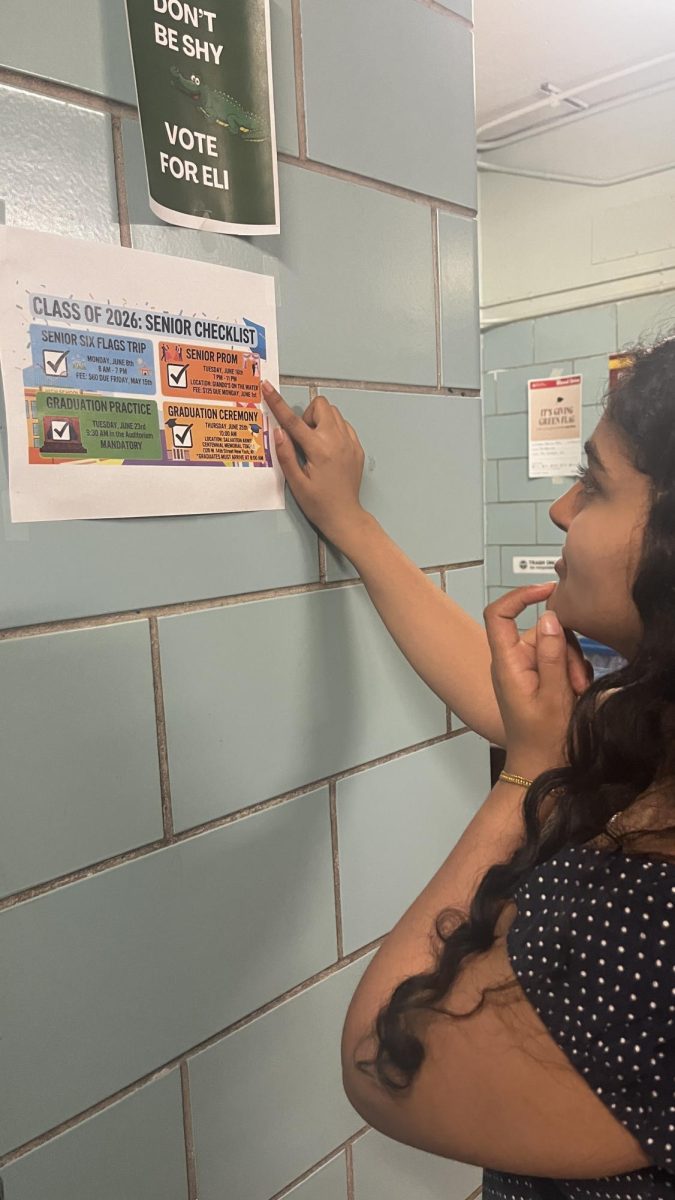
From college application fees to graduation requirements, prom tickets, and clothing for milestone events, the price of participating in high school traditions can quickly add up. While these expenses may seem small individually, they build up, creating barriers that leave some students financially strained or excluded from the experiences that are supposed to define high school life.
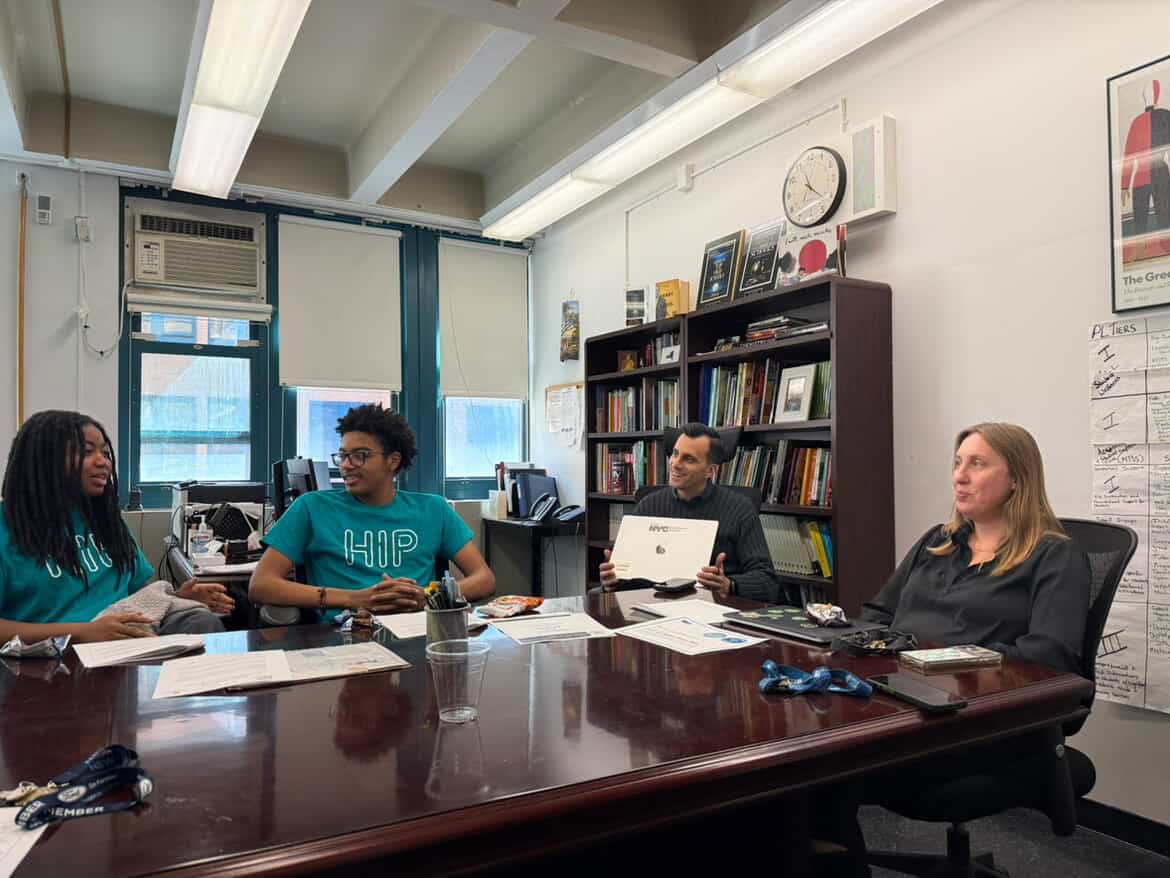
When asked about current school policies to aid students financially, guidance counselor Maiya Williams said, “If there’s something that they want to attend and they’re willing to communicate, the PTA can sponsor them.” Williams offers a solution to alleviate costly barriers by emphasizing the importance of communicating with administrators.
Additionally, Williams said, “During junior night, we include estimated costs of senior year so families can [anticipate what’s coming].” To prevent families from being caught off guard by the pricey expenses of senior year, school admins attempt to provide a monetary overview of the last year of high school.
2026-27 school year president Nicol Burgos highlights the potential feelings of “FOMO, fear of missing out,” arising when students cannot afford to attend school events because of financial constraints. She provides potential solutions regarding school fundraisers for the next wave of seniors: “hold fundraisers where students can have fun while we raise money for [facilitating] more clubs, like the carnival for the Gallery.”
In addition to the costs of senior memories, there are also educational costs. AP classes are something sophomores, juniors, and seniors take at the NYC Museum School, and a fee is required take these AP exams for college credits. In response to how much she spent on six AP exams, senior Jane Rosenthal said, “I feel like most of them are either $50 or $100. That’s lowkey around $600.”
When asked about senior activities like prom and class trips, senior class representative Alexis Chan described how costs can impact participation: “Yes, some friends heard the costs of senior trips and said, ‘I might not go because it’s too expensive.” For some students, financial limitations mean sacrificing memorable experiences for affordability, turning core memories into difficult choices.
While NYC Museum School continues to find ways to combat financial barriers, high costs remain a reality that can shape students’ high school experiences. No student should have to miss out because of the inability to afford it, because teenage memories cannot be measured by a price tag.