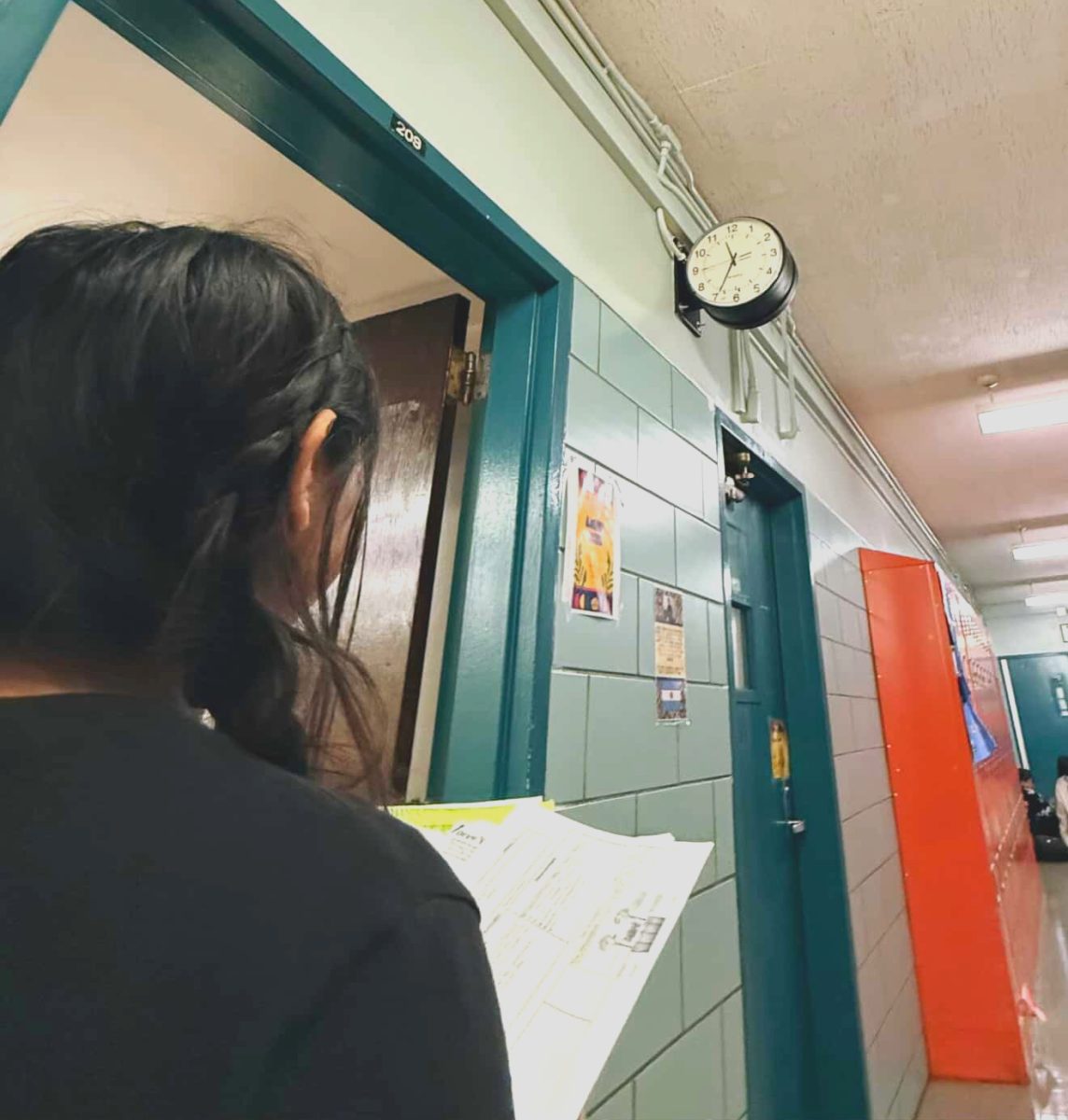
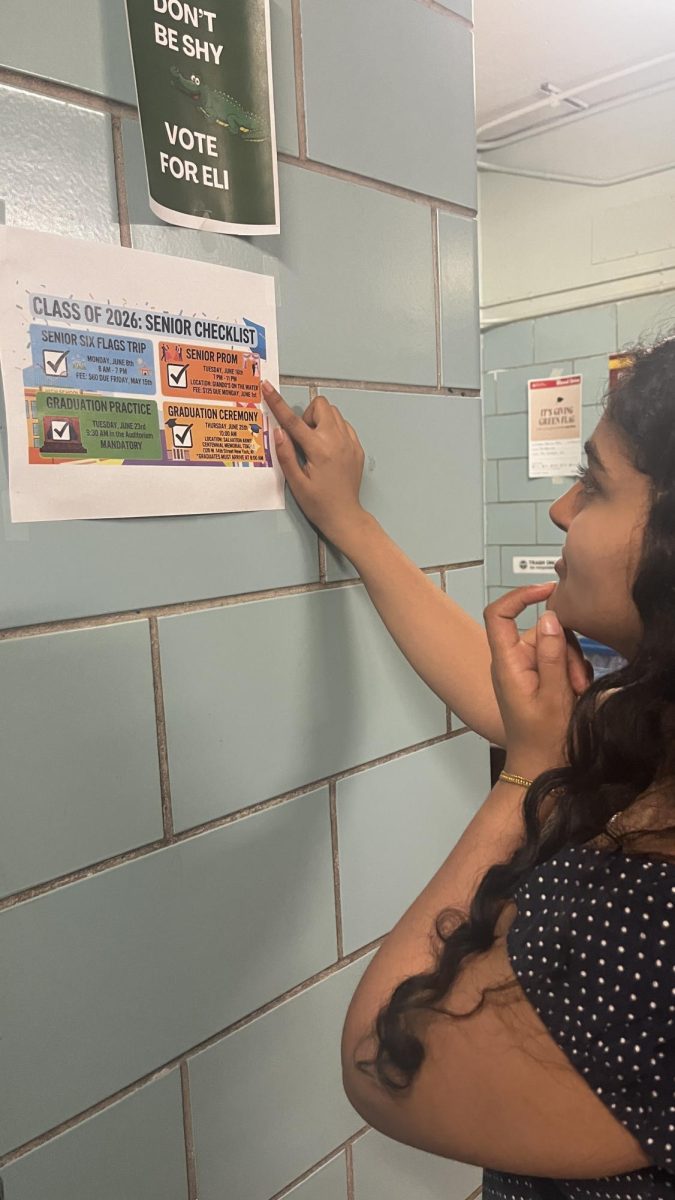







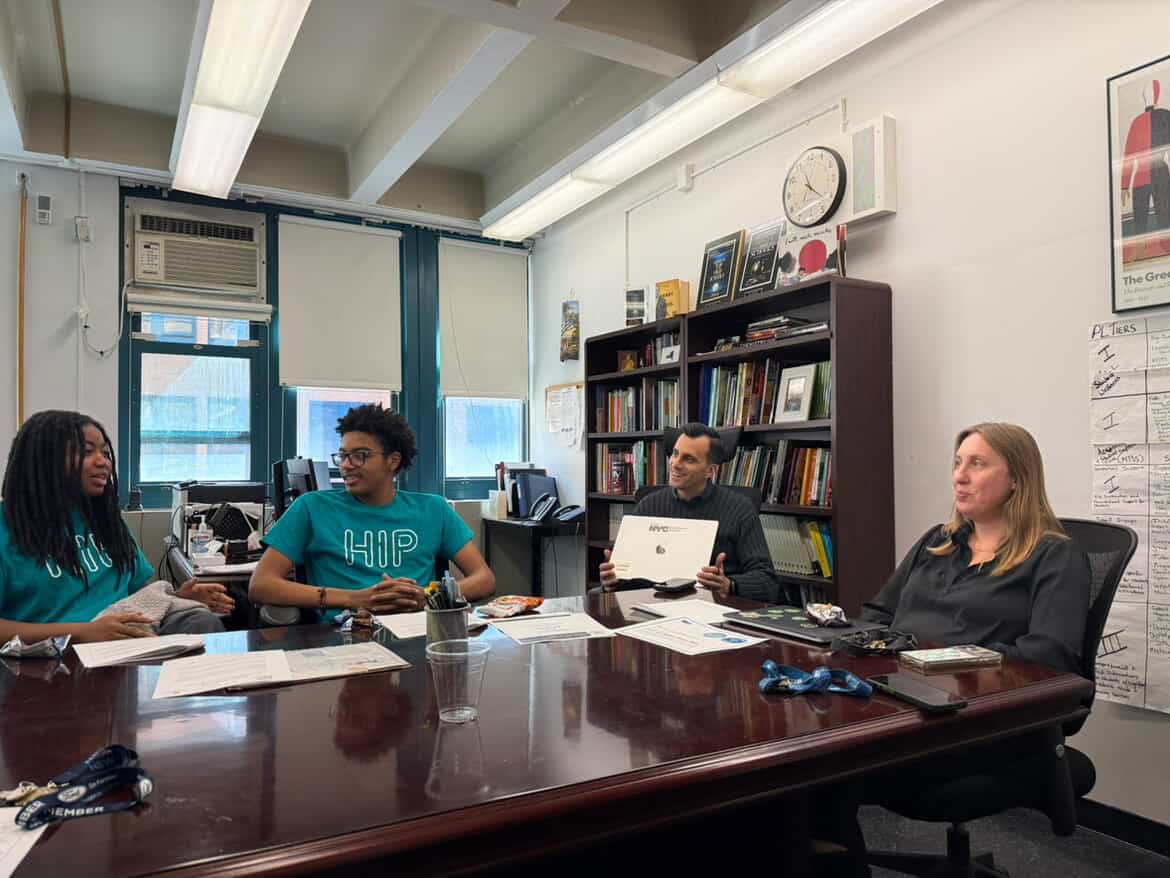








If you haven’t noticed yet, posters of “HIP Tips” have been lining the walls for months. This year, Museum School partnered with the Health Information Project (HIP) to replace traditional ninth-grade health classes, introducing a new form of health education for the freshmen class. This new program marks a shift away from traditional lecture-based lessons to a more interactive and student-centered way of learning.
Originating in Miami, Risa Berrin is the founder and Chief Executive Officer of HIP. As a graduate of the University of Michigan and the University of Miami School of Law, Berrin previously taught health education to incarcerated female juveniles. She envisions a world where every child receives quality health education and access to healthcare resources.
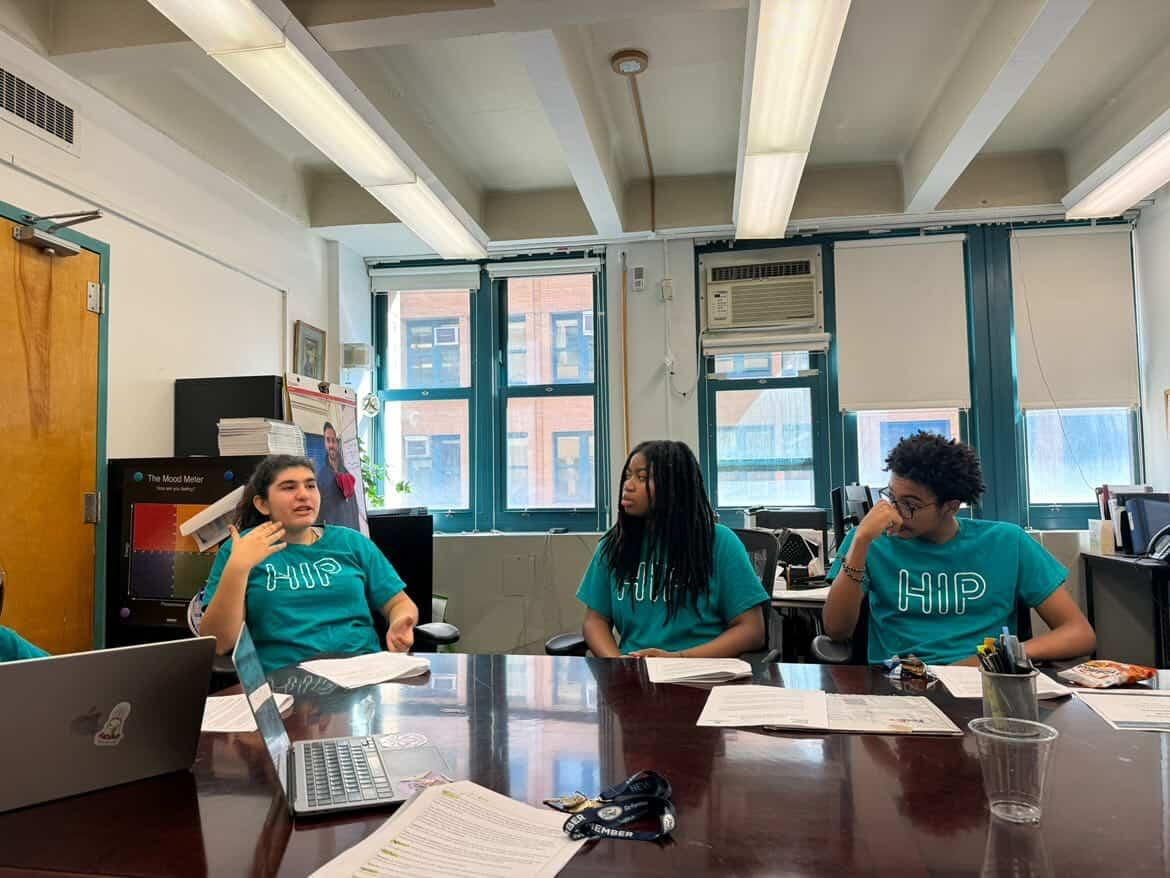
Berrin recognizes that teens are often resistant to health education delivered by educators, such as teachers, parents, or physicians. As a result, Berrin founded HIP with a different approach: having high school juniors and seniors deliver health information to their peers. To minimize discomfort and stigma surrounding sensitive topics, HIP focuses on using peer-led classroom sessions and providing practical information on a myriad of critical health issues such as depression.
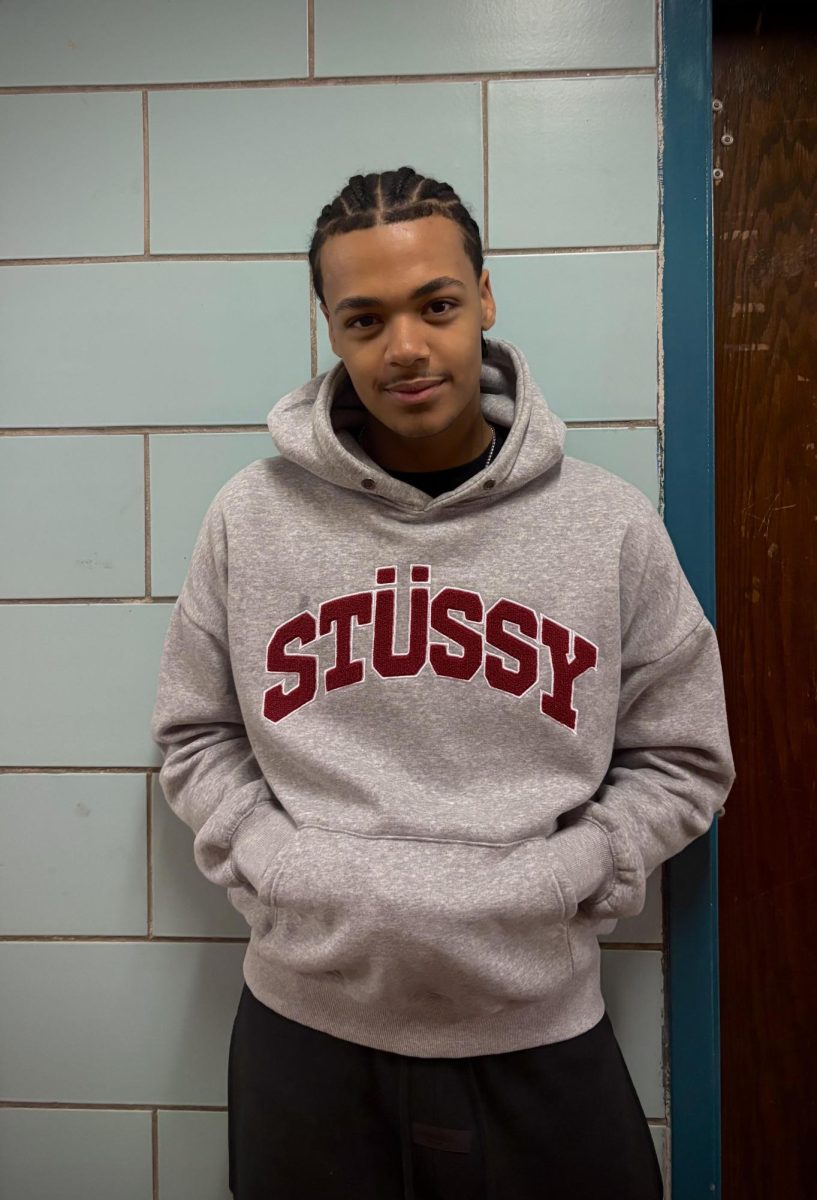
Although still in its early stages, many freshmen have already commented on the program’s impact. When asked about his experience with HIP, freshman Jack Kandel said, “I think the fact that we’re learning about things that we already know, but going deeper into the topics is pretty cool.” He added, “It’s definitely impacted me because we had lessons on cyberbullying and cybersecurity, and it’s pushed me to change my passwords to protect my social media and private information.”
Kandel’s response demonstrates HIP’s expansion of health curriculum beyond surface level lectures, emphasizing the translation of health education into real change and highlighting its influence exceeding the classroom.
Furthermore, when asked about students’ opinions on having peer-teaching instead of actual teachers, freshman Mone Aboshi stated, “I feel more connected and relatable with the teachers because they were nearly the same age, whereas I don’t feel that sort of connection with actual teachers.” Additionally, Kandel believes that receiving lessons from people from the “same age range” as him makes him “feel more comfortable.”
Together, these perspectives highlight the opportunity to build trust and reliability between freshmen and upperclassmen. While building more relationships with students across multiple grade levels, HIP also promotes the creation of open and safe spaces that allow students to engage comfortably.
Moreover, administrators have also observed noticeable changes since HIP’s implementation. Principal Andre Rodriguez highlighted vaping and addiction as major health concerns within the school community. However, following the introduction of HIP, Rodriguez noted that “students [aren’t just] able to talk comfortably about sensitive topics,” but also “the vaping trend in school has decreased tremendously.” Additionally, Assistant Principal Laura Hindelong points out that “students have been looking forward to HIP week.”
As HIP continues to evolve into the coming school year, its role in the community is expected to expand beyond its introduction. With growing student engagement and faculty sponsorship, the program has the potential to become a permanent part of the health curriculum at Museum. It represents a shift towards a more aware, informed, and healthier student environment.