



















A question often thought about by students: why does my school start so early? Many teachers and parents think high school students are just lazy when they complain about waking up early. However, I believe NYC schools should start later because students need more sleep, it would improve academic performance, and it would support better mental health.
Teenagers are scientifically wired to fall asleep and wake up later. According to the American Academy of Pediatrics, adolescents’ biological clocks shift during puberty, making it harder to fall asleep before 11 p.m. This means that when schools in New York City start at 8:00 a.m. or earlier, many students have to wake up around 6:00 a.m. As a result, most high school students are not getting the recommended 8–10 hours of sleep. When students are sleep-deprived, they struggle to focus in class, feel tired all day, and often rely on caffeine just to stay awake.
Furthermore, starting school later could improve academic performance. One cause of student tardiness is sleeping through their alarms. There is an easy solution to this: start schools later. When students are well-rested, they are more alert and ready to learn. It is hard to do well on a math test or write a strong essay when you can barely keep your eyes open. If NYC schools pushed the start time back by even an hour, students would likely participate more in discussions, perform better on exams, and retain more information. Education should be about helping students succeed, and that cannot happen if they are too exhausted to think clearly.
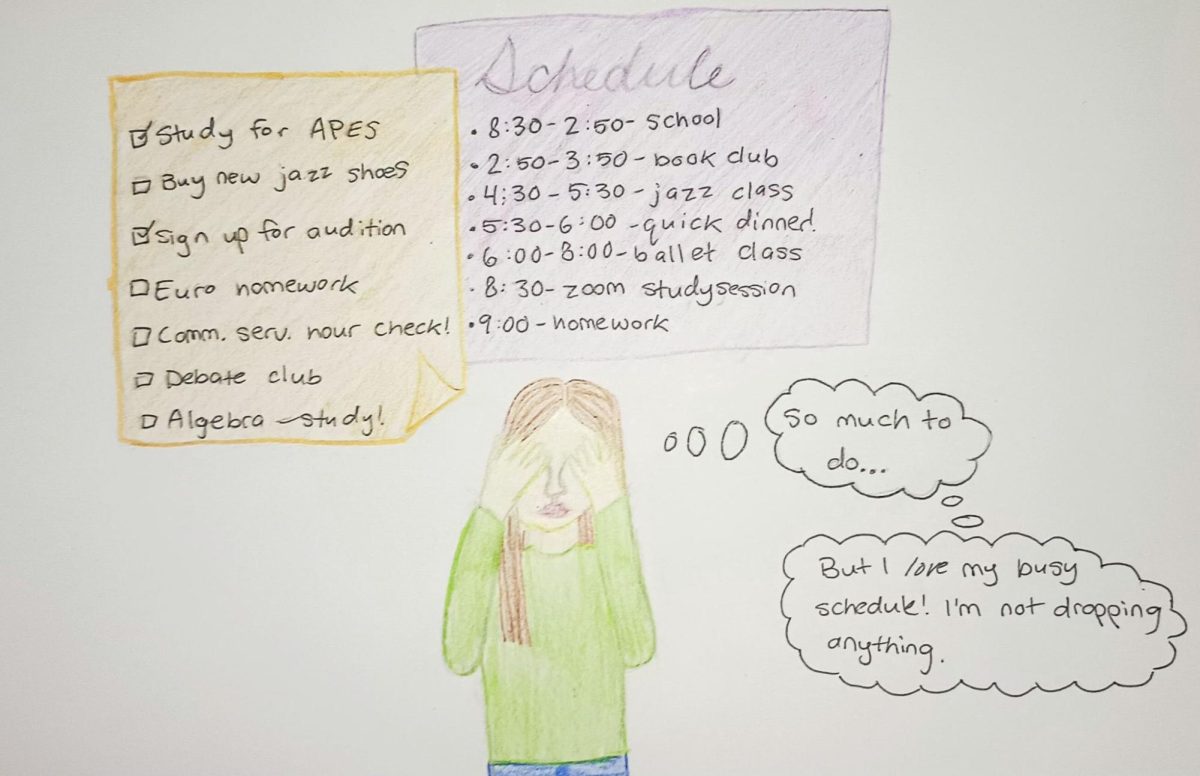
In addition, later start times could improve students’ mental health. High school can already be stressful because of homework, afterschool activities, part-time jobs, and preparing for college. Lack of sleep can make anxiety worse. When students are constantly tired, small problems, such as a simple homework packet, can feel overwhelming. By allowing students to get enough rest, schools would be supporting not just academic success but also students’ emotional well-being.
Some people argue that starting school later would interfere with afterschool activities or parents’ work schedules. While these are valid concerns, they can be managed with simple planning adjustments. For example, schools could slightly adjust the timing of sports practices and afterschool clubs. Many school districts in other parts of the country have already made these changes successfully simply by adjusting activity times or utilizing staggered schedules for teachers and coaches. As it is, high school students are mature enough to travel to and from school without having to rely on their parents for transportation. Studies from those school districts have shown that later start times can lead to better attendance, improved grades, and students with healthier mentality overall.
If other districts can make these adjustments and see positive results, New York City schools can do the same.