























Have you ever wondered how our bodies would respond to an animal’s diet? Though all animals require foods from the same fundamental nutrient classes (proteins, fats, vitamins), the types of sustenance each species consumes differ drastically. So, would humans actually survive on another species’ diet?
Gorillas
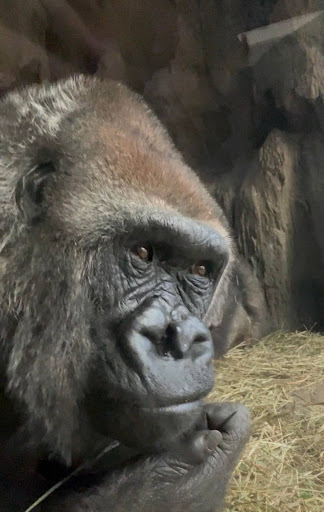
Despite their intimidating stature, gorillas typically stick to a vegetarian diet. According to the WWF, gorillas occasionally have an appetite for termites and ants, but primarily feed on bamboo shoots, stems, and fruits. The average adult gorilla consumes around 40-50 pounds of plants daily—almost eleven times the amount of food the average human consumes per day! Given that bamboo shoots are poisonous to humans unless boiled to remove toxins, it would be impossible to survive on a gorilla’s diet. Not only this, but the excessive fiber intake and lack of protein would upset our digestive system, resulting in a lot of time spent in the bathroom.
Dogs
Ever wanted to chow down on your pup’s kibble? Believe it or not, a human could actually survive on their furry little friend’s diet, as long as their food is human-grade; brands such as The Farmer’s Dog and The Honest Kitchen are dedicated to producing strictly human-grade meals for pups (and their owners, apparently?) The meals may not taste restaurant-worthy, but at least they’re unquestionably safe for consumption for both you and your furry friend.
Lions
Unlike gorillas, lions follow a strictly carnivorous diet. Rather than just muscle meats, lions consume the entire carcass; this includes organs, marrow, and connective tissue. For humans, this nose-to-tail diet could provide the vitamins, minerals, and fats necessary for survival. However, consuming this much pure meat could result in protein poisoning (also known as rabbit starvation), a potentially fatal form of malnutrition. Raw meat is also often unsafe for human consumption due to harmful bacteria such as salmonella. Thus, a human could not rely on a lion’s diet without cooking the meat.
Grizzly Bears
Grizzlies enjoy the best of both worlds: flora and fauna. According to the National Park Service, bears are “seasonal opportunistic omnivores” whose diets vary depending on the season. Grizzly bears are among the most versatile mammals, consuming a wide variety of berries, fruits, nuts, seeds, fish (mainly salmon), insects, and small mammals. Just like humans after an exhausting day at work, bears prioritize low-effort meals that keep them full for as long as possible. Due to their balanced and accessible diet, it is plausible for a human to follow a diet very similar to a bear’s.
Realistically, it’d be pretty tough to survive on an animal’s diet without supplements. There are too many variables at play, and far too many incompatibilities between our digestive systems. However, in some special scenarios, it just may be possible. It’d be strange to voluntarily adopt an animal’s diet if not for research purposes, but it’s an interesting thought nonetheless.