


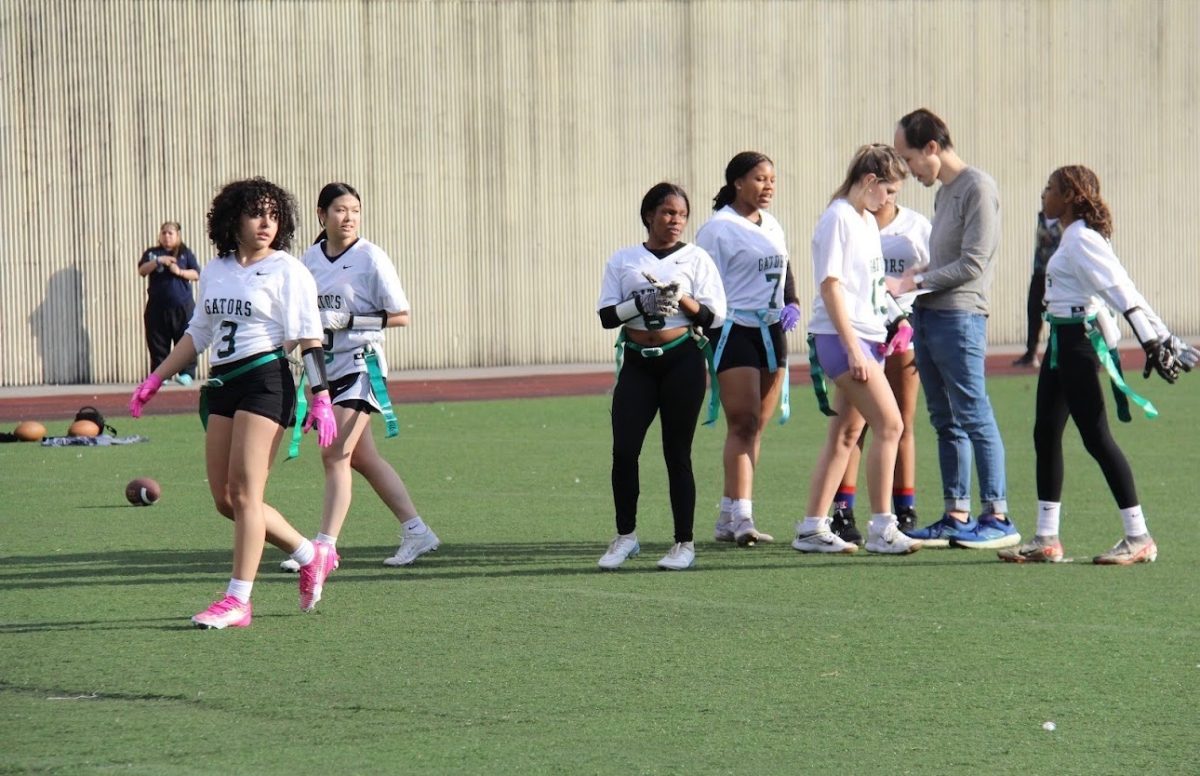





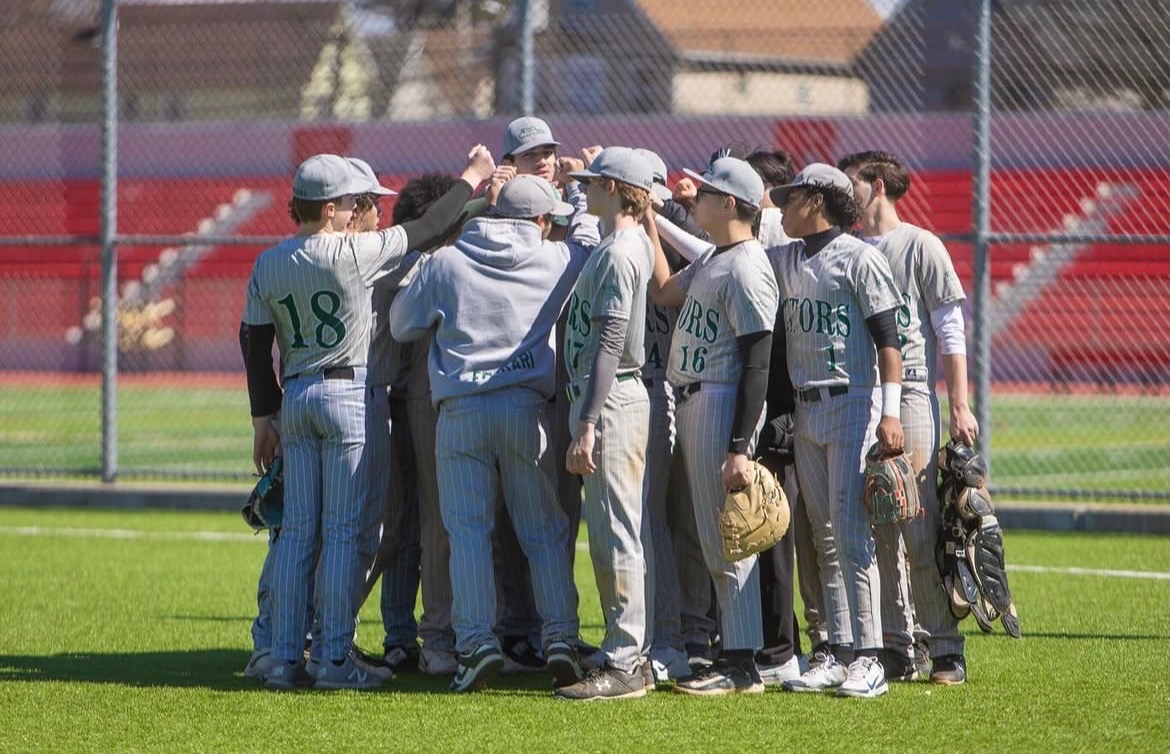
For many high school students, life is already a struggle trying to balance classes, homework, and social responsibilities. But for student-athletes, especially for those who compete in multiple sports during different seasons throughout the year, that balance becomes even more challenging. As a three-year multi-sport athlete participating in volleyball during the fall, basketball during the winter, and flag football in the spring, I’ve experienced firsthand the mental toll that comes with trying to be the very best both in the classroom and on the field.
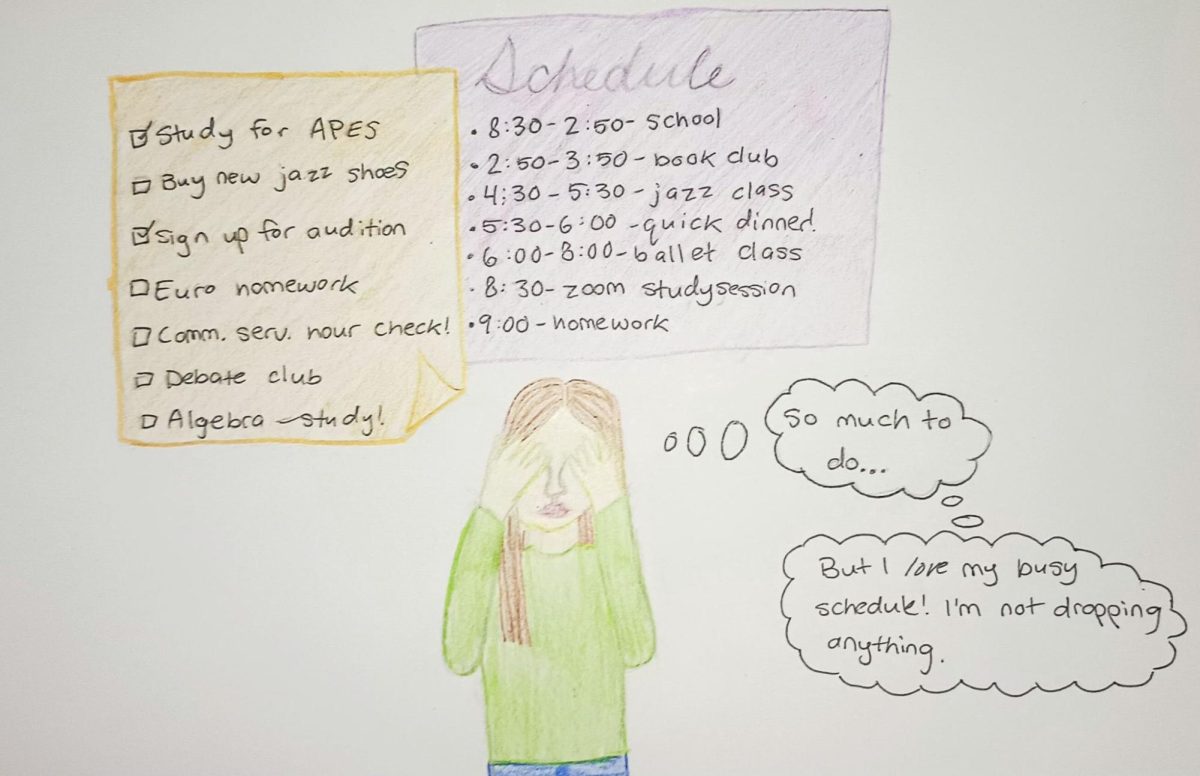
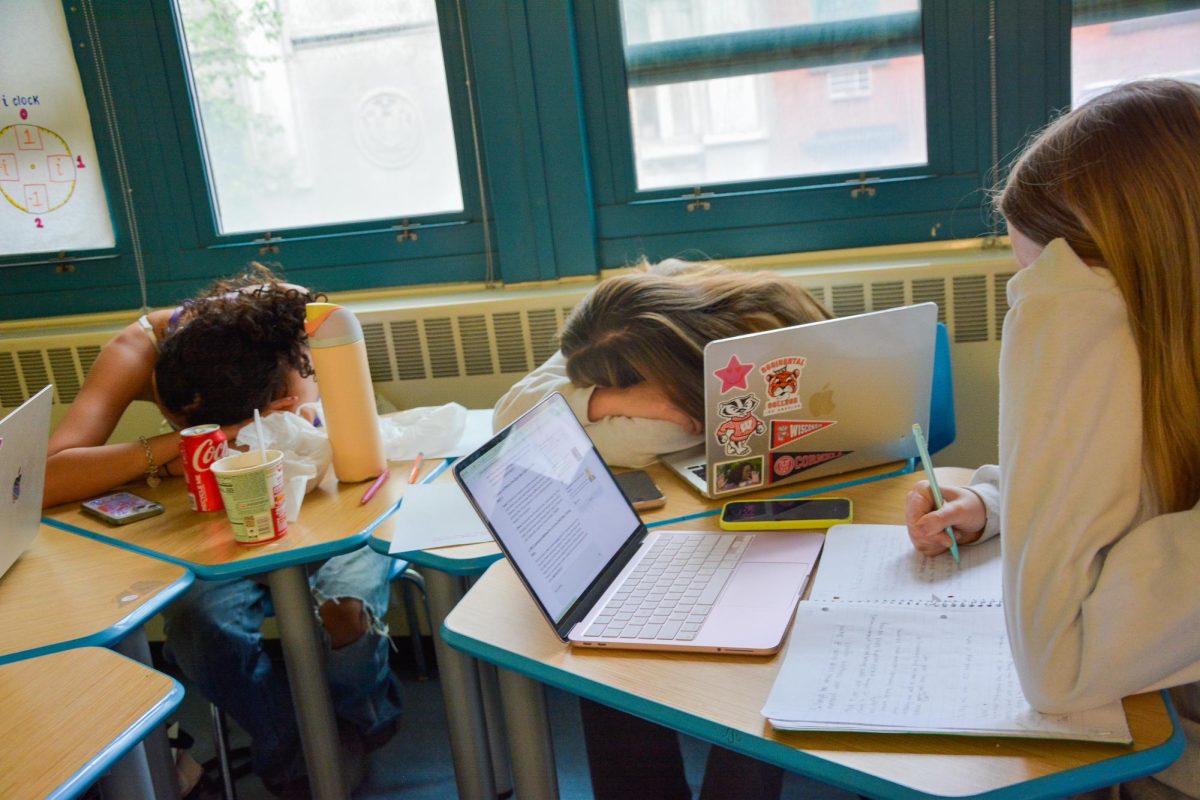
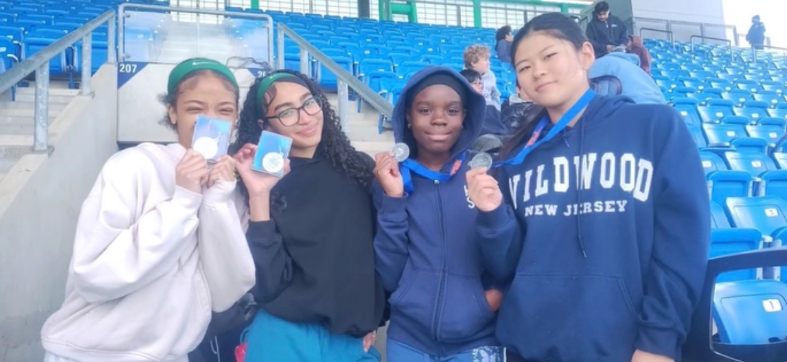
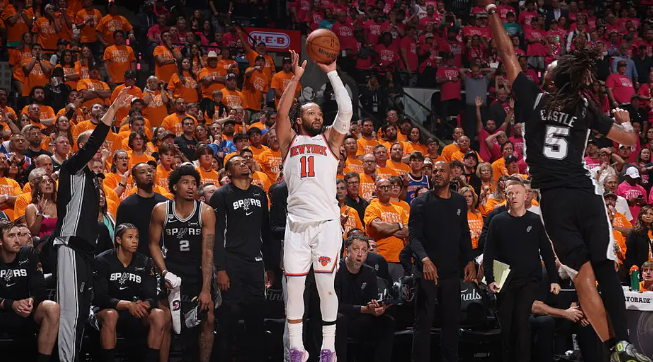
From an outside perspective, being a student-athlete may seem rewarding and impressive. There’s the excitement of the competition, the bonding between teammates, and the pride of representing your school. However, behind the scenes, there is the constant pressure to perform, not just physically, but academically as well. Practices can last for hours after school, and games can take even longer, especially away games where students have to commute long distances. By the time athletes get home, it’s late and most of the time these athletes are exhausted, yet they are still expected to complete assignments, study for tests, and maintain strong grades. Otherwise, athletes start falling behind and slipping through the cracks.
This constant cycle and strict regimen can quickly lead to burnout for many young minds. During peak seasons, especially when transitioning from one sport to another with little to no break, it can feel like there’s no time to rest or recharge; there is only the constant need to perform. The pressure builds, and stress becomes a daily companion.
Sleep deprivation is another major issue among student athletes that often goes unaddressed. Late games and practices turn into late-night homework or studying sessions, which creates a routine where athletes are consistently not getting enough sleep every night. The students who need the most rest after hours of exercise usually end up getting the least amount of sleep. Over time, this lack of sleep directly affects students. The Harvard Gazette researched this and published a podcast, “‘Harvard Thinking:’ Are you getting enough sleep? Probably not,” by Samantha Laine Perfas. In the episode, Perfas discusses how sleep is not only important for physical recovery, but also because it is the time when the brain actively strengthens important memories from the day, processing and organizing new learning to improve recall and skill proficiency. A lack of sleep harms students’ mental clarity, mood, and general learning, influencing their performance in everyday life.
There’s also the internal pressure student-athletes place on themselves. Many strive for perfection; they want to be starters in every game, top scorers, and honor roll students all at once. When they fall short in one area, it can feel like they are failing in everything. One success isn’t enough when you have multiple things you could be succeeding in. This constant pressure to perform can take a serious toll on mental health, leading to feelings of self-doubt and frustration in everyday tasks.
In light of these challenges, there are ways to provide better support for our student athletes that should be discussed. Schools can help out by recognizing the demands placed on student-athletes and offering flexibility when possible. Coaches and teachers can communicate effectively to ensure students aren’t overwhelmed by the constant demands inside and outside of the classroom. Most importantly, student-athletes themselves need to prioritize their mental health, whether that means asking for help, taking breaks, or simply acknowledging that it’s okay to make mistakes and not be perfect.
Being a multi-sport athlete has taught me discipline, resilience, and time management. However, it has also shown me the importance of balancing work and effort while emphasizing self-care, and never forgetting to look out for myself. Behind every game played and every grade earned, there’s a mental battle that deserves just as much attention as the result. While we may look strong on the outside, the pressure we carry within is very real, and it’s time to make this a prevalent topic of discussion.