





















This year, New York City implemented a new law that reduces the number of students in a classroom. Classes ranging from kindergarten to the third grade must have 20 students or fewer in their classrooms, fourth through eighth graders must have a maximum of 23 students in their classrooms, and high schools must have a maximum of 25 students in their classrooms. In the NYC Museum School, this law is already being pushed into effect, and by September 2028, all schools will be required to abide by these new regulations.
The NYC Museum School, putting this law into action, has both positive and negative consequences. Smaller class sizes allow teachers to spend more one-on-one time with their students, ensuring that students better understand a topic. This has been “found to increase student achievement by an amount equivalent to about three additional months of schooling four years later” (Brookings, 2011, para. 4).
However, the NYC Museum School is small, with only four hallways. This can create an issue because the limited number of classrooms makes it difficult to ensure that all students have a class with only 25 students or less.
The Museum School’s assistant principal, Ms. Hindelong, believes that “most students benefit” from this law as it allows you to “get a little more attention from your teachers.” She added that since there are now fewer students in each class, “we need more classes,” but transferring students from one class to another has not caused a problem. The school was “able to hire a few new teachers this year” in order to work with the class size reduction law.
Teachers Mr. Korman and Ms. Lalla both agree with Ms. Hindelong. Mr. Korman stated that “everyone can be supported” because the class sizes are now smaller, while Ms. Lalla explained that “it can be very beneficial,” however, “it can be very challenging in schools where there is not a lot of space to make class sizes smaller.” She described it as a “big adjustment” that can’t happen right away.
Overall, it seems that the staff and faculty of NYC Museum School see how this law may be challenging to implement at first but it is very valuable.
When students were asked about this law, there were a variety of answers. Freshman Mone Aboshi had only “just heard about it.. She—along with other freshmen at the Museum School—never experienced larger class sizes, so they have trouble seeing any difference.
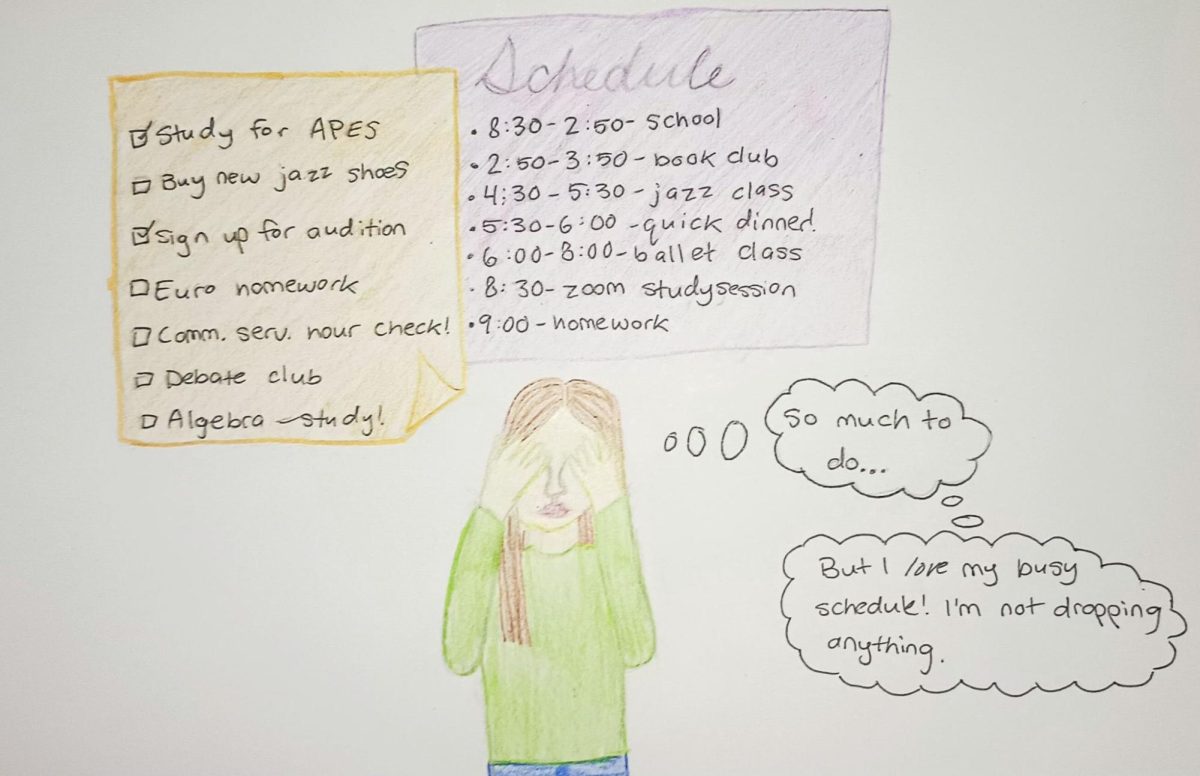
Sophomore Carter Ea Shapiro has experienced the change, though. He described that “due to a sizing issue, I could not be placed into AP European history.” The “new policy is limiting students with its stricter scheduling […] making it harder for students to choose their desired classes.” Shapiro sees that there are issues that come about when scheduling classes with this class size reduction law; he also sees that it “helps teachers manage classrooms and has helped with teaching efficiently.”
Lastly, Ruby Feuerstein, a senior, expressed that she doesn’t think these new regulations would “make any big changes, but might make the classes slightly better.” She “worried it might further limit class offerings and schedule flexibility,” but doesn’t think it is a large issue.
New York City’s class size reduction law comes with both challenges and advantages. It seems that teachers have appreciated it, while for students, some haven’t even noticed it. For those who have, they may recognize that it can be limiting but also understand that it is beneficial to their learning.