



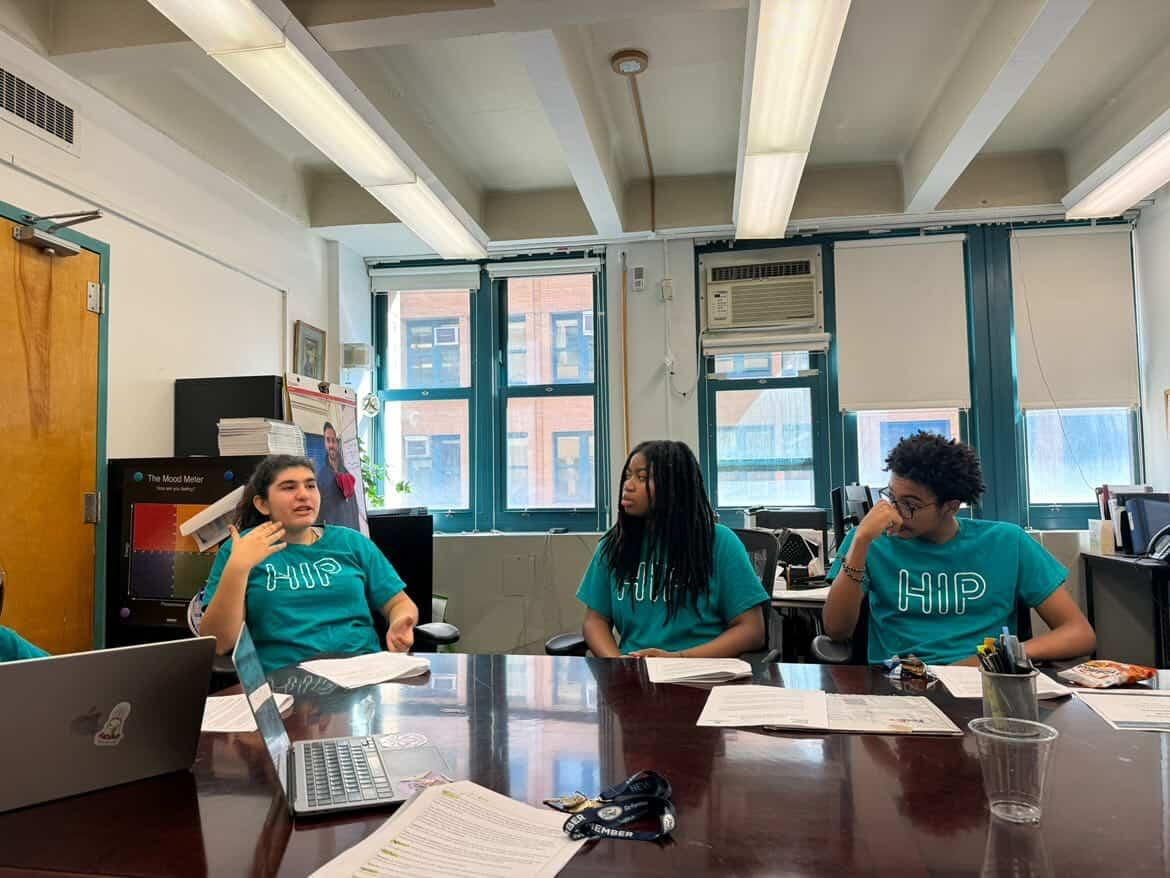

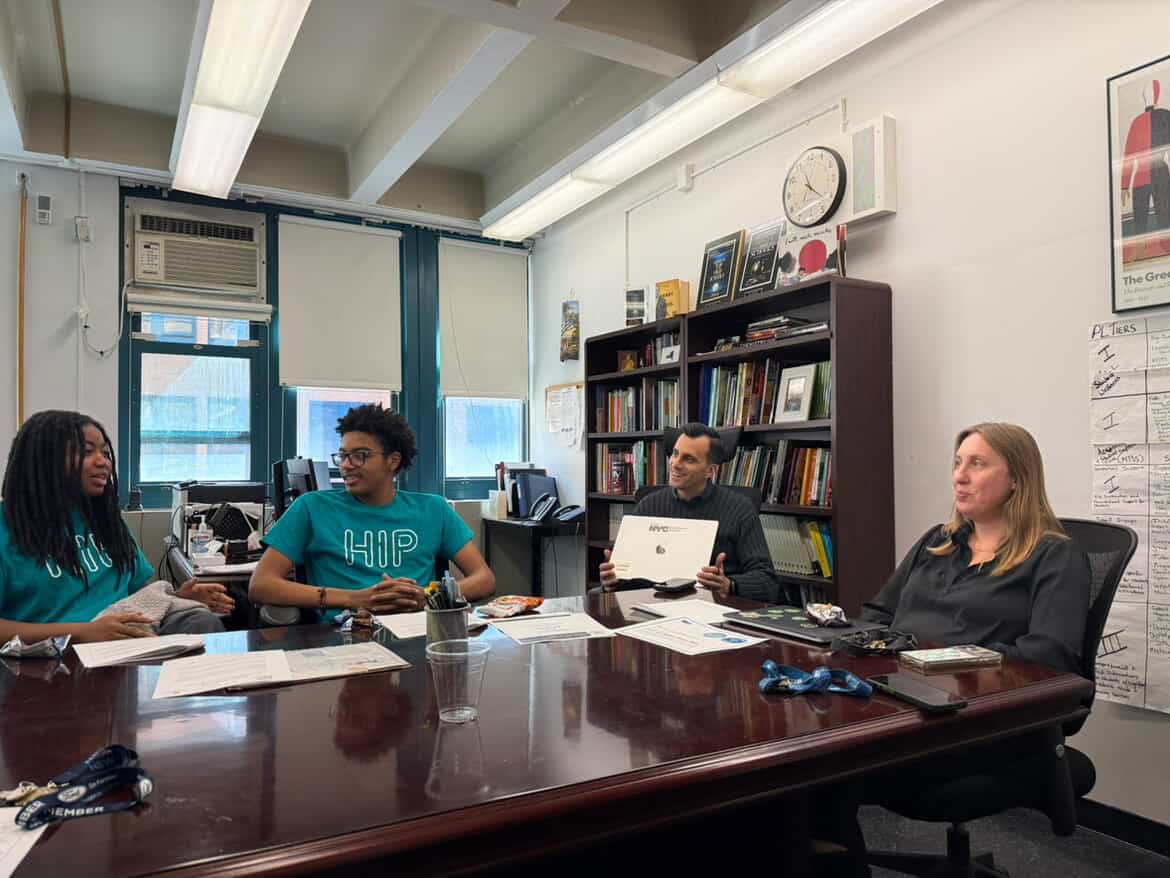




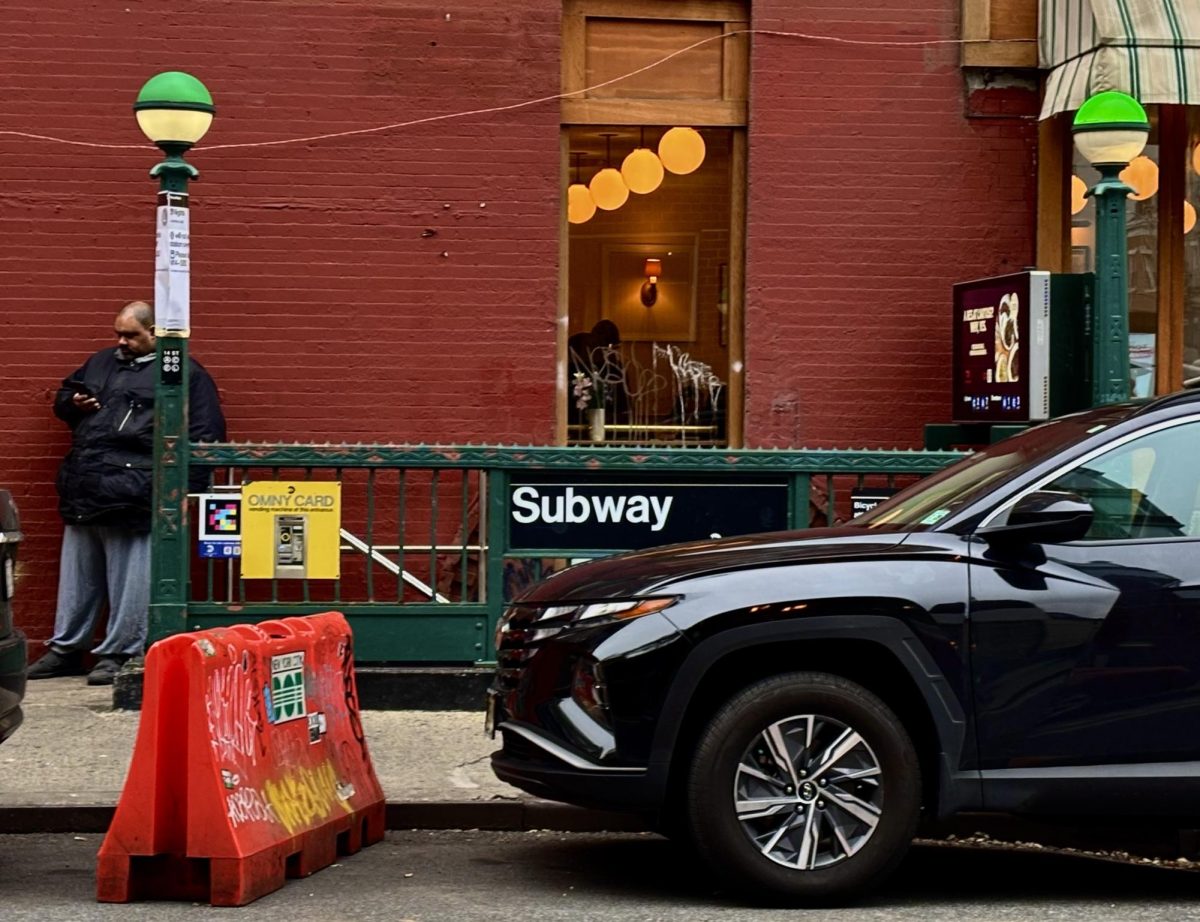
“Every one of you has waited for a train and cursed the MTA sometimes,” Janno Lieber, the MTA chairman and CEO, admitted to a room full of New York City student journalists this past April.
His comment comes at a time when the MTA is operating on “more than 84% on-time service” (the MTA’s measurement of whether or not a train gets to the terminal within a couple of minutes of when it’s supposed to arrive), yet still, students at the New York City Museum School are dissatisfied with the MTA’s service.
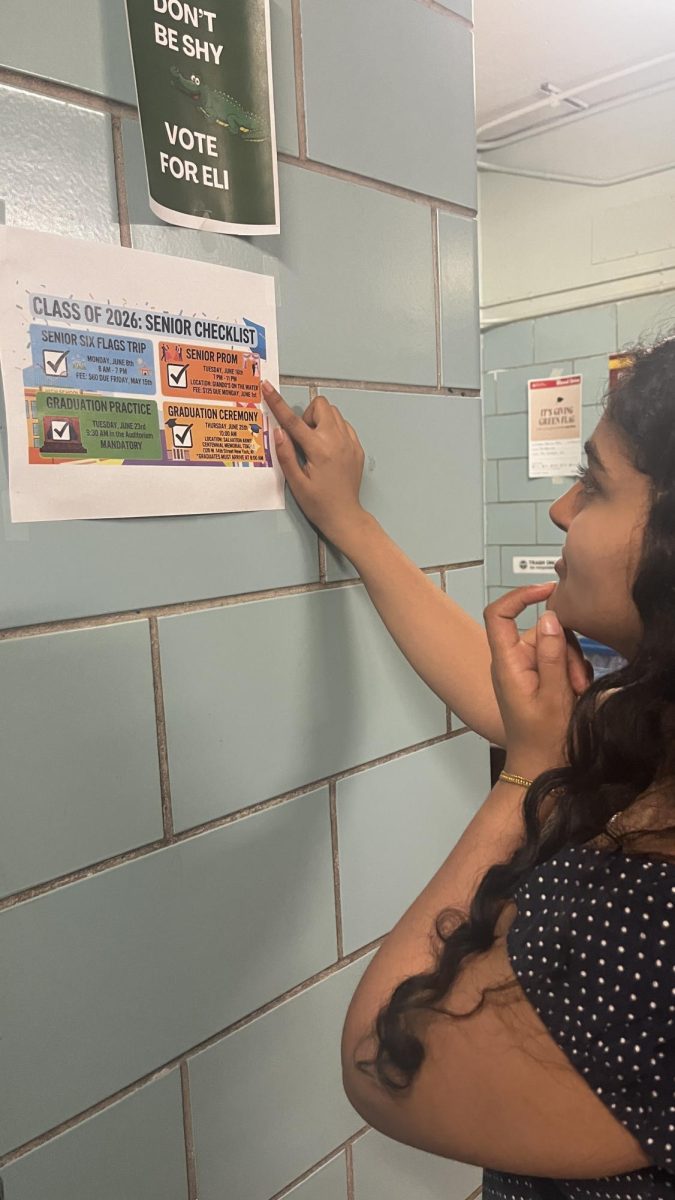
“I have very mixed feelings about the MTA service,” said Mera Almalahi, a senior at the NYC Museum School. “What’s good about it is how it easily can get people to places and it’s one of the most useful forms of transportation when you don’t have a car. However, it’s very unorganized and unreliable, and it can make people very late to important events, and it can be so annoying. On top of that, it’s very dangerous and is not worth the risk of potentially not coming home one day.”
Even when the numbers reflect better service and safety than pre-pandemic, students are still dissatisfied with the MTA’s service. So, what is the MTA doing to improve transit for students?
OMNY CARDS
At the start of the school year, New York City students were each given a brand new OMNY card in preparation for the eventual phasing out of the MetroCard, but it turns out the OMNY cards will eventually be phased out as well.
“The student OMNY is about 24 hours a day, it didn’t used to be that way, seven days a week, 365, and there are four rides a day, so [there’s] much more opportunity to use them than the old MetroCards,” Lieber said.
Students have complained about the flimsiness of the OMNY card, to which Lieber had to say, “We were determined to get it done before the school year began, so that was a little bit of a compromise in terms of the materiality of the physical OMNY card. In order to get it done, compromises were made. I’m thrilled with how it turned out, but I’m not disputing the physical shortcomings of the … physical OMNY card.”
So what is the MTA’s solution?
“The goal is to get it on your phones,” Lieber explained. “I think within two years we will have it so that the OMNY system goes on phones, because we know [students] occasionally lose OMNY cards and metro cards [but] they don’t lose their phones.”
CLEANLINESS
The subway is infamously dirty, but in 2020, almost 55 billion was approved for the MTA Capital Program, which was intended to upgrade and modernize stations, while also helping maintain them. This program was intended to pay for new buses and train cars, upgrade signals, maintain good tunnel and bridge conditions, and overall aid the MTA’s infrastructure.
“We’ve hired hundreds and hundreds of station cleaners since COVID,” Lieber said, while talking about the Capital Program. “I think, on the numbers that we’re getting from our customer surveys, we’re doing a little better on station cleanliness, but there’s always room for improvement.”
HOMELESSNESS AND SAFETY
Homelessness is another big concern in the subway. In June 2024, the number of people living in the streets and subways hit its highest point in two decades, surpassing four thousand people.
“The subway is no place for people to live,” Lieber said flatly. “We all want people who are homeless to get to a better place where hopefully they can get service, or if they have mental health issues they can get treatment.”
Lieber cited homeless people choosing not to enter the shelter system as a fault independent of the MTA, saying, “We don’t control the whole social service operation shelters … we want the city to improve those and to do more to bring people voluntarily into that system.”
Still, the MTA is taking the issue into their own hands. “We’re not mental health experts, we’re not the homeless experts, but because it’s having such an impact on the subway environment and our riders, we developed a program we send clinicians out—the cops just make them feel safe so they can approach people who are most severely suffering from mental health.
On the matter of safety, Lieber also said, “The mental health population, which we’ve all seen and experienced in the subway system, is having such a disproportionate impact on that feeling of safety.”
Lieber emphasized that crime had gone down eleven percent in the last year, but even still, the perception of safety was extremely important, and that even if statistically the trains were safer, the MTA would continue to work to make it feel like they were safer as well.
BUSES
It’s not just the trains that are seeing funding and improvements, though. Buses are high up on the MTA’s radar as well. They’re working “with City Hall and NYC DOT to deliver new bus lanes and busways”, in particular, improved interborough connections and increased bus service on sixteen local routes across Queens, the Bronx, Brooklyn, and Staten Island.
Their partnership with NYC DOT is enabling the MTA to “implement Bus Priority Projects on targeted corridors to maximize the travel time savings and improve the quality of service for our customers.” Their goal is to decrease travel time and to make trips simpler for New Yorkers.
The MTA has also approved a Queens Bus Network Redesign plan that includes new routes, similar to their Bronx Local Bus Network.
But, even with all these outlined plans, is this enough to change the minds of the MTA’s student critics?
Mera Almalahi said, “I feel much better about the MTA. I had no idea how much effort they were putting in behind the scenes, and how difficult it is to maintain such a system in a huge city. I feel more empathy toward the MTA, and will nurture more patience, considering how much they are actually trying to change and improve with time. It’s hard, I’ll give them that, and they are still doing their best.”