









For the last twenty years, the New York City Department of Education has been under mayoral control, and starting this January, the city will have a brand new mayor.
Zohran Mamdani, a self-described Democratic Socialist and the mayor-elect of New York City, campaigned on issues like affordability, fast and free buses, and raising the minimum wage, but his platform also includes often-forgotten proposals regarding the Department of Education, many of which are positioned to affect the Museum School.
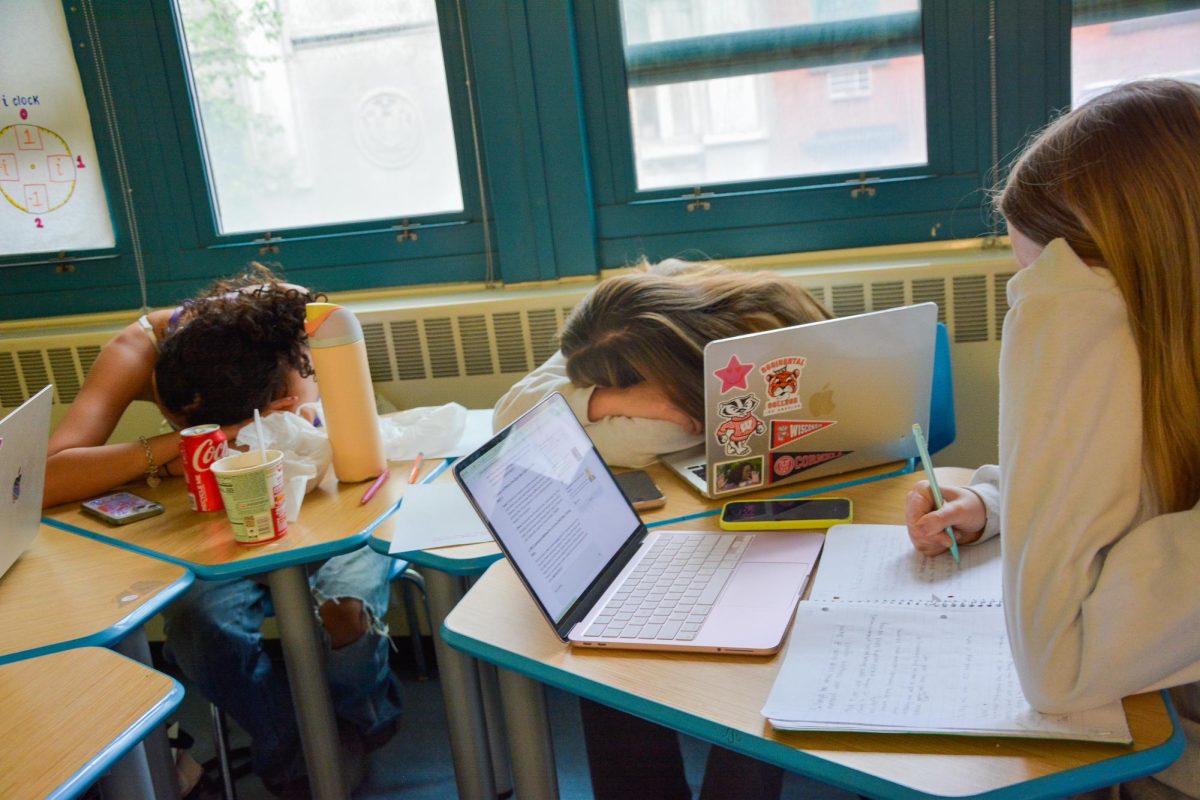
When asked about what they know of Mamdani’s education policy, Museum students and teachers alike admitted that, regardless of how much they knew about his other policies, they weren’t informed of Mamdani’s stance on education.
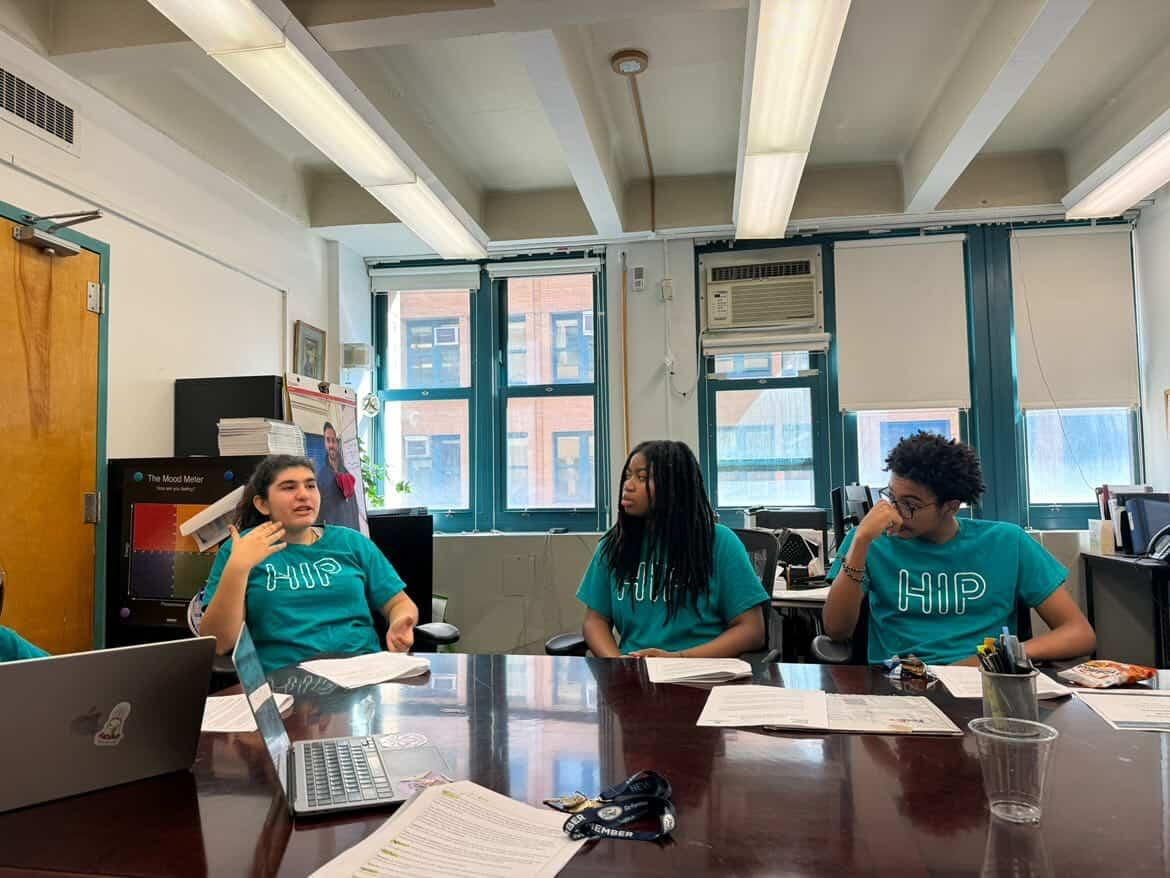
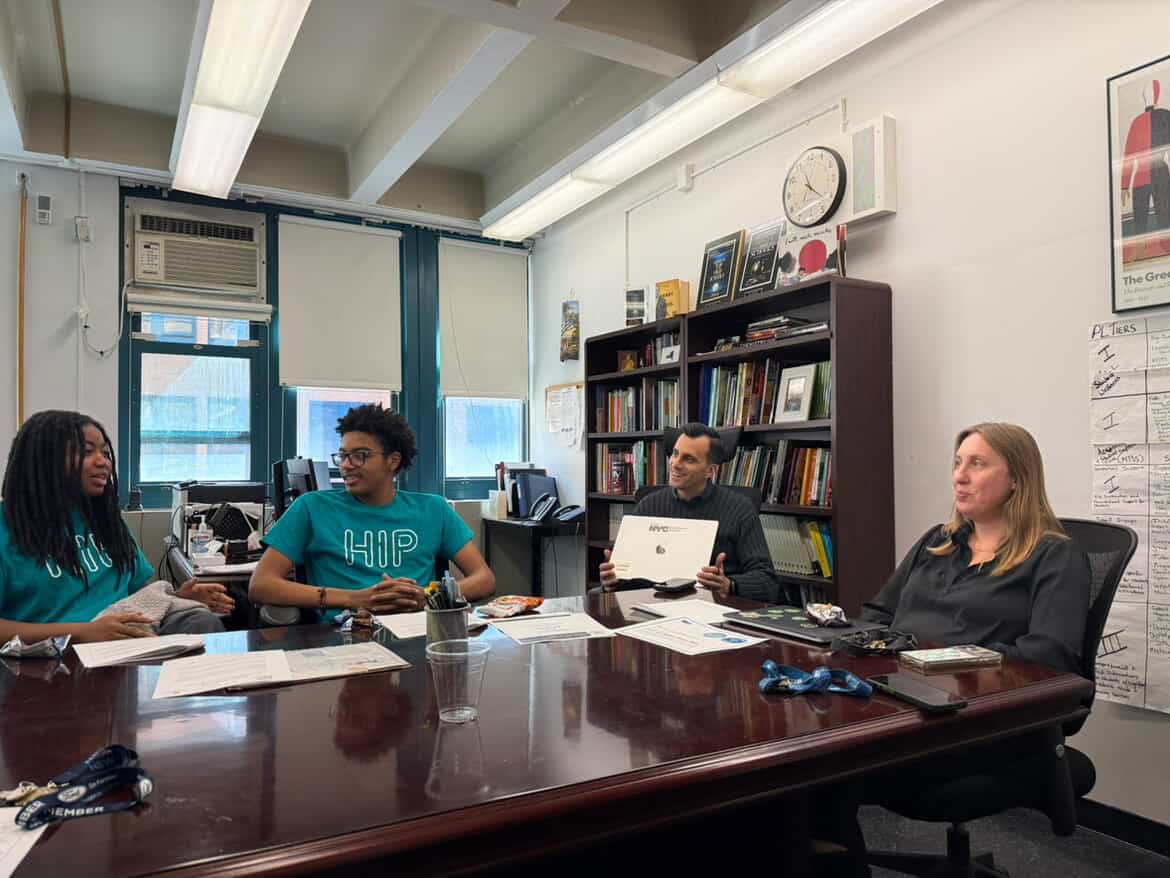
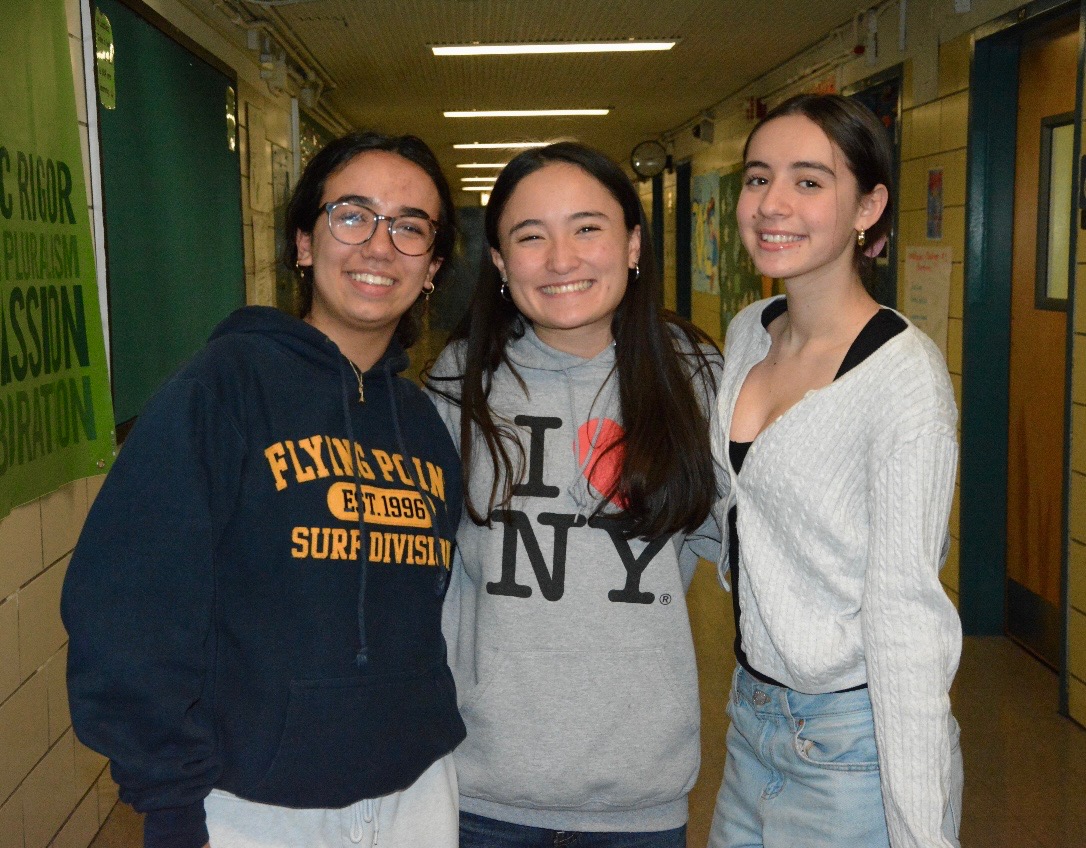
Reed Opell (a Senior at Museum) and Stella Schweitzer (a Junior) both said they weren’t “too sure” about Mamdani’s education platform. Schweitzer added that she’d “researched a lot of what [Mamdani]’s gone over,” while Opell said he knew “about some of his other policies,” citing them as “very interesting.”
On the other hand, Harrison Polak, another Senior at Museum, also said he didn’t know much about Mamdani’s education policy, but in contrast, added that he doesn’t “know much about his policies in general,” but that he knows “what he’s trying to strive for.”
Despite the lack of knowledge of his education platform, Mamdani’s proposals may have the most impact on the Department of Education since 2002, when the Board of Education was brought under mayoral control during Mayor Michael Bloomberg’s term.
Mamdani has pledged to review and reform the admissions process to specialized high schools in the city, and to expand after-school programs and mental-health support.
Any increases in after-school programs and mental-health support may also affect Museum. The amount of funding Museum can give to its afterschool clubs and sports could see an increase should the Mamdani administration further develop this proposal. An increase in focus on mental-health support could lead to more Wellness Wednesdays, or more social workers, beyond Ms. Matelus.
Funding increases may also happen elsewhere at Museum. Mamdani has indicated that his “focus … over the course of this campaign has been one that ensures every single public school, not just specialized high schools, gets the resources and support that they need.”
School segregation is another issue Mamdani has been outspoken on, claiming New York City has “the most segregated school system in America”, but while he was once an advocate for scrapping the SHSAT as a solution, Mamdani now seeks to handle segregated schools differently, by focusing on the underlying issues with the test.
“My change is a recognition of the enormity of the task at hand with regards to our school system,” he told WNYC, “and the need to focus on how we can … transform the conditions that then are the basis of that specialized high school test.”
For students at Museum, Mamdani’s admissions reform plans would have little impact, but for future applicants, the high school process may be entirely different. Although not one of the eight specialized high schools, any potential changes to the SHSAT would significantly impact the entire high school application process, and could potentially increase or decrease the number of applications to Museum.
Mamdani’s most significant proposal, though, involves changing the current system of school governance. Mamdani openly opposes mayoral control of the DOE and has proposed a co-governance system. This would mean, rather than blanket decisions being instituted citywide by the Mayor’s office, local representatives would be elected by parents, teachers, and students, and be in charge of the education decisions that affect their local communities.
For Museum students, this is the largest potential change. Currently, minors are entirely ineligible to vote in any New York City elections, despite decisions in their districts still impacting them. By having the power to elect representatives for their school districts, students could have a real voice in what happens at Museum when it comes to funding, rules, and days off.
“I think what he’s trying to do is definitely gonna benefit the school community,” Schweitzer said. “If parents are electing these people, it’s more personal, and it’s not just, like, random people who don’t really have the students’ ideas at heart.”
Polak disagreed. “I feel like it should be more like a citywide thing than kind of bringing it down to local communities, because it is one city,” Polak explained. “I feel like dividing it up between education is just really not the way to go.”
Whether or not Mamdani meets his campaign promises remains to be seen, but it is certain that whatever happens under the new mayor, Museum students will feel the impact.