

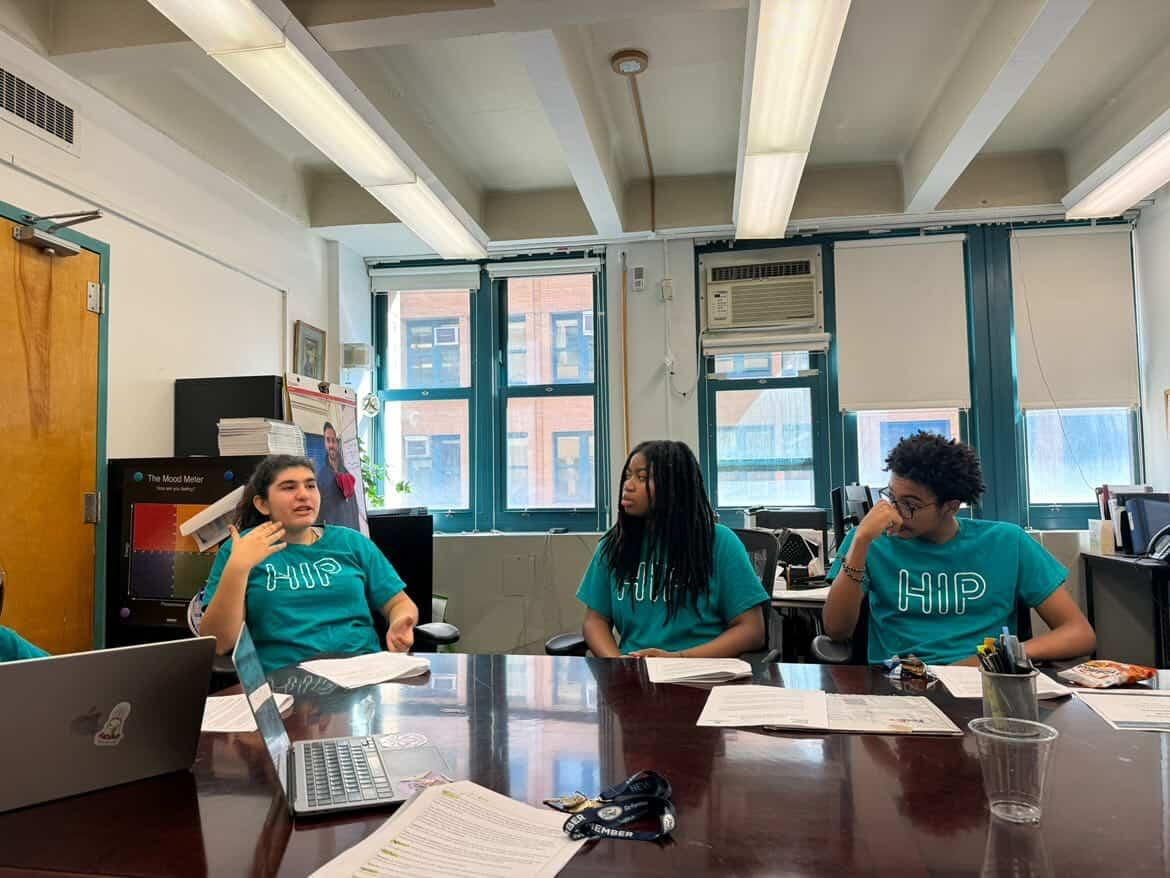
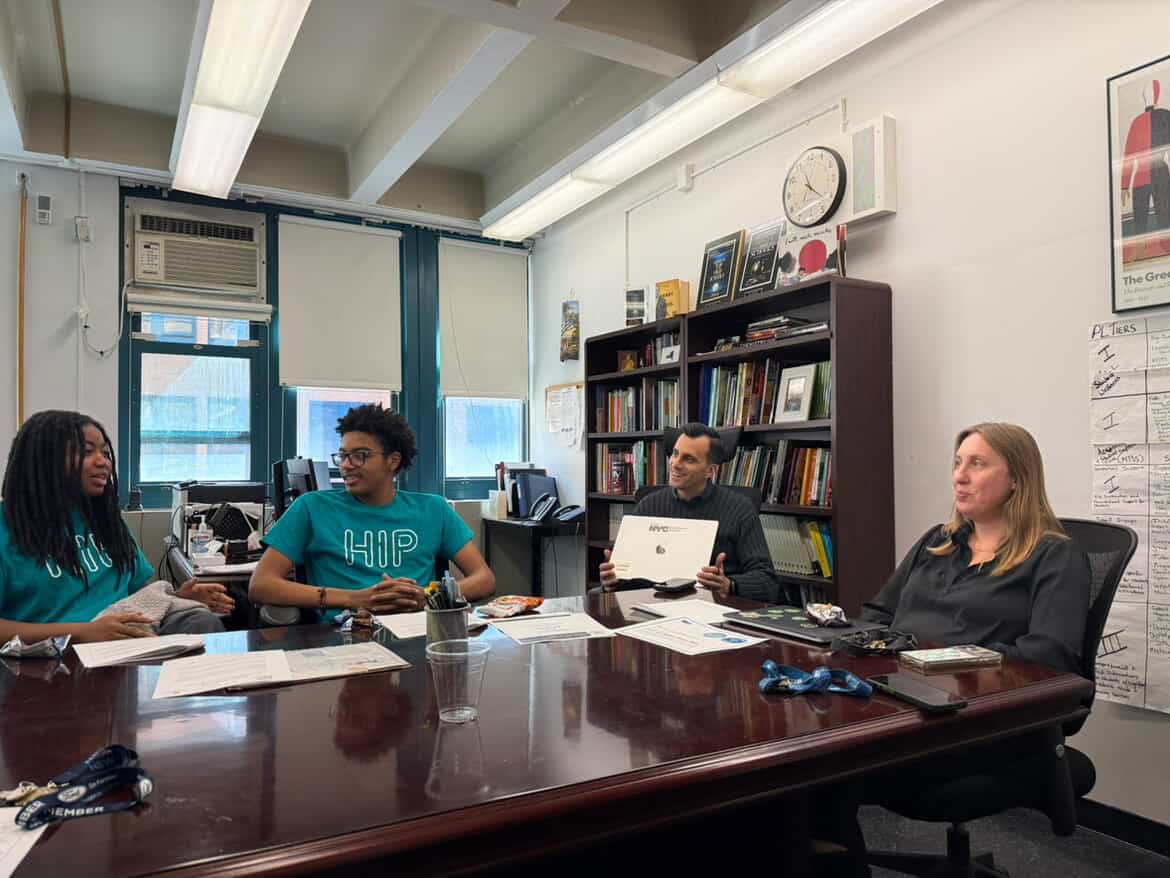




Students in the Journalism Module took a break from regular assignments to talk with British Broadcasting Corporation (BBC) reporter Anjana Gadgil Oct. 31. They had the unique opportunity to ask her questions about her career path, experiences as a journalist, as well as advice for aspiring journalists. While the Journalism module gives students the chance to act as writers and reporters themselves, never have they been able to directly interview a real journalist.
Anjana Gadgil is a presenter for BBC South Today and BBC News, graduating from the SOAS University of London while also studying abroad in Beijing at BNU. She has 20 years of experience, working across news and sports desks at various news sources such as BBC, Sky Sports News, and The Times. Aside from live broadcasting, Gadgil also publishes articles as an independent journalist.
When asked about her reasoning behind choosing to represent women’s soccer in the news, Gadgil said, aside from her personal love for the sport, “I’m willing to put the extra miles in and go to matches and cover it, and I love doing it.” She then elaborated by saying “being a news journalist, having a real good sense of what they’re doing in the world [is] important, is something that you can say is unique to you.” For Gadgil, news is more than just a job, but truly loving what you do.
In a time where Artificial Intelligence is rapidly improving, it makes sense to question what this means for the future of news and the media. To this, Gadgil responded by saying “at BBC, we are very slow to adopt AI…. we don’t use AI in anything that goes out to air or is presented. Everything has to be written.” While she doesn’t use AI to write stories, she mentioned its value as a research tool— though she still recommends double-checking for errors.
For Gadgil, a typical work day begins as early as 4 a.m., sometimes ending at 11 pm. While the days are long, she experiences a 4 day work-week, giving her more time out of the office. Even when out of the workplace, she still has some work to finish– calls to answer, emails to send– in order to accommodate others’ schedules.
Although work as a journalist can be challenging, when asked if it’s hard to maintain a good work-life balance, she says while “some [shifts] get a little bit over, there is a work balance…. So yeah, I feel okay– I think I’ve got a good balance.” According to Gadgil, “the best bit is going out and about, finding stories and telling stories…. I didn’t get into journalism to sit in the studio and brush my hair. I wanted to go out and meet people.”
Through her talk with the students, Gadgil offered an insider’s perspective into journalism, hopefully inspiring a younger generation of writers and reporters. For high school students especially, learning about different career paths can be useful for those undecided about their own futures. This experience differed from the normal aspects of the journalism module, giving students a new chance to throw themselves deeper into the press and editorial world.