














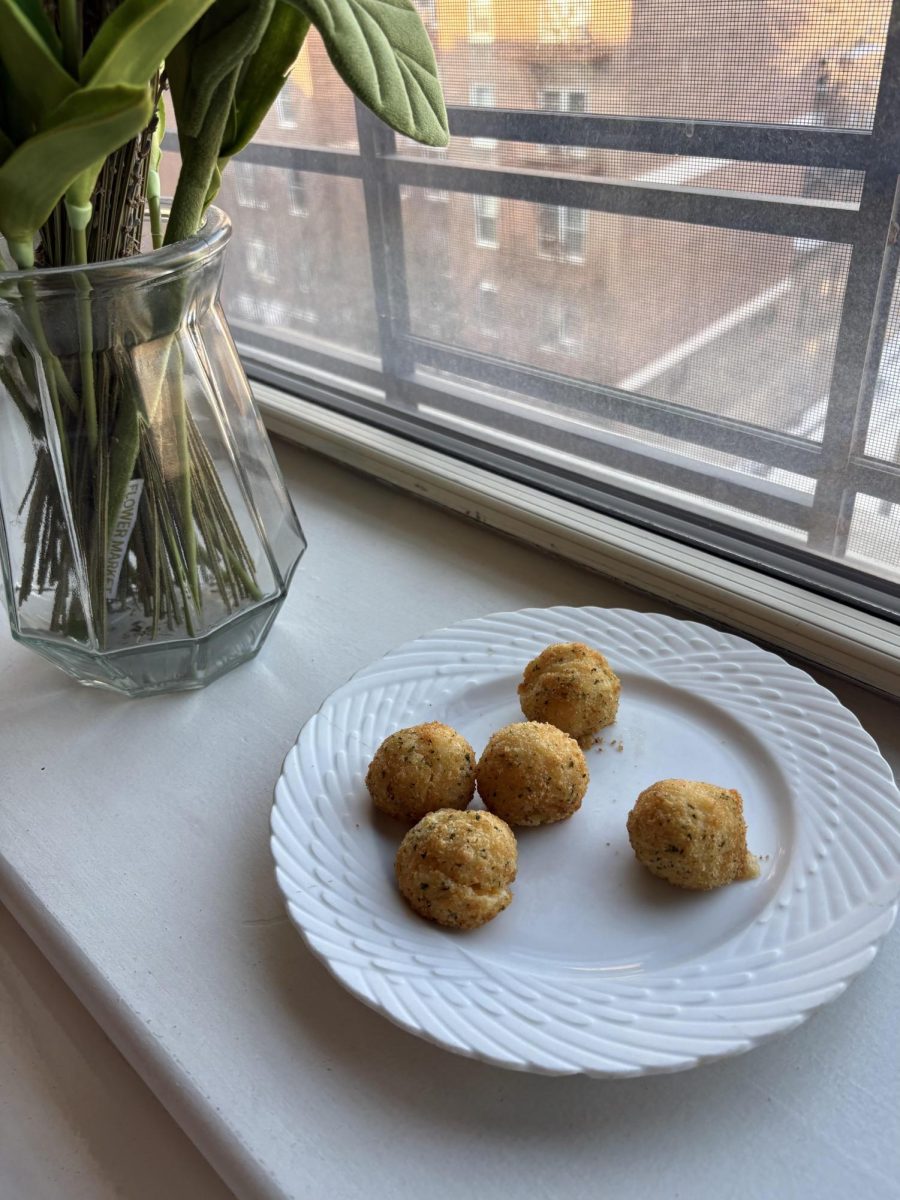
Have you ever been to a party and had to choose between a piece of cake or a mini cupcake? Statistically, people are actually most likely to choose the mini cupcake! Why, you may ask? People enjoy having miniature options because they provide the chance to explore new flavors at a much smaller scale. Though miniature foods originated in Japan, Americans have adopted countless variations of miniature foods throughout the past couple decades; ranging from savory mini Mac & cheese to sweet Cinna-buns, mini foods have taken the world by storm for all the right reasons.
Think the concept of miniature foods is new? Think again! This adorable trend has been shrinking meals to dollhouse size since the 1930s, proving that good things really do come in small sizes. Miniature food began in 2014 as an internet trend in Japan. It was heavily influenced by the “kawaii” (cute) aesthetic and deeply integrated in Japanese miniature art culture. The kawaii aesthetic quickly rose to popularity, becoming a worldwide cultural phenomenon. Early YouTube channels such as “Miniature Space” popularized miniature cooking.
Mini foods are also inspired by wax food-shaped models that you’ve likely seen in bite-sized kitchen sets growing up. In fact, anthropologists suggest that mini foods reflect the desire to maximize limited space in Japanese life. To this day, Japan is one of the most technologically advanced nations of the world! Plenty of people only consider visiting France or the Bahamas, and miss out on all the incredible culinary history of Japan!
Though miniature food may sound appealing, it could also prove to be less healthy. While eating at restaurants, you’ll probably have the option to pick out a couple hors d’oeuvres for the table. While appetizers are smaller than main courses, they’re often less healthy due to higher fat and sodium concentration. The real question is: why do people choose mini foods over regular-sized portions? According to “Caterease”, bite-sized snacks decrease pressure while piquing curiosity. Thanks to miniature foods, guests feel comfortable experimenting with unfamiliar flavors before indulging in a larger version of a dish.
Additionally, small bites offer foodies a sense of extravagance. Afterall, having a layout of appetizers undeniably offers more engagement and satisfaction as opposed to one larger portion. Though appetizers are less healthy, psychologists have proven that people love the feeling of eating less while indulging in miniature foods. Trying a new food in miniature form is more exciting than ordering a dish you aren’t familiar with, even if you don’t enjoy it.
Ultimately, miniature foods serve as an approachable way to experiment with intimidating or unfamiliar flavors–they offer a sense of comfort that regular-sized dishes lack. Now, when you’re ordering appetizers at a restaurant, consider choosing a food you wouldn’t normally try. You only live once, afterall. Why not take the opportunity to expand your palate? Plus, who knows–you may even find a new favorite bite!